Festivals are more than moments of celebration—they are living expressions of history, identity, and collective memory. Recognizing this, UNESCO has included many festivals and cultural celebrations in its Intangible Cultural Heritage of Humanity list. These festivals preserve traditions passed down through generations and showcase the diversity and creativity of human culture across the world.
From grand religious gatherings to vibrant folk celebrations, UNESCO-recognized festivals reflect the values, beliefs, and artistry of communities worldwide. Let’s explore some of the most iconic UNESCO heritage festivals that continue to unite people beyond borders.
Kumbh Mela – India
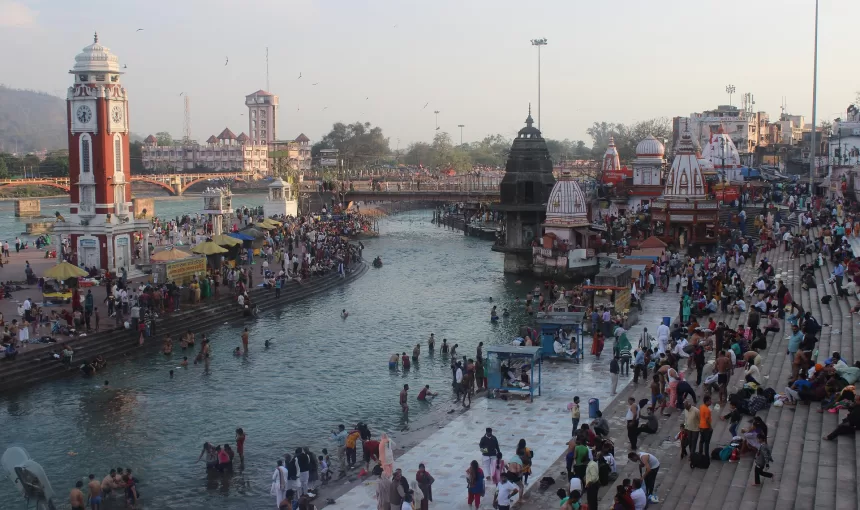
One of the largest human gatherings on Earth, the Kumbh Mela is a sacred Hindu pilgrimage festival recognized by UNESCO in 2017. Held every 12 years on a rotational basis across four cities—Prayagraj, Haridwar, Ujjain, and Nashik—the festival draws millions of devotees.
Pilgrims take ritual baths in holy rivers to cleanse their sins and seek spiritual liberation. Beyond its religious significance, the Kumbh Mela is a remarkable example of community organization, faith, and shared cultural identity on an unprecedented scale.
Carnival of Binche – Belgium
The Carnival of Binche, inscribed by UNESCO in 2003, is one of Europe’s oldest and most distinctive carnivals. Celebrated before Lent, the festival is famous for its masked performers known as Gilles, who wear elaborate costumes, wax masks, and wooden clogs.
The Gilles dance through the streets, throwing oranges into the crowd as symbols of prosperity and good fortune. This centuries-old tradition highlights the strong bond between community participation and cultural continuity.
Day of the Dead (Día de los Muertos) – Mexico
Mexico’s Day of the Dead, recognized by UNESCO in 2008, is a vibrant celebration honoring deceased loved ones. Observed on November 1st and 2nd, families create colorful altars decorated with marigolds, candles, food, and photographs.
Rather than mourning, the festival embraces death as a natural part of life. Through music, art, and rituals, Día de los Muertos beautifully blends indigenous beliefs with Catholic traditions, making it one of the world’s most visually striking and emotionally meaningful festivals.
Nowruz – Central Asia and Beyond
Nowruz, the Persian New Year, is celebrated across Iran, Azerbaijan, Central Asia, Turkey, and parts of South Asia. Inscribed by UNESCO in 2009, Nowruz marks the arrival of spring and symbolizes renewal, peace, and harmony with nature.
Families prepare festive meals, clean their homes, and gather around the Haft-Seen table, which holds symbolic items representing prosperity and health. Nowruz transcends borders and religions, reflecting shared cultural values across many nations.
Flamenco Festival Traditions – Spain
Recognized by UNESCO in 2010, Flamenco is more than music and dance—it is a powerful cultural expression rooted in Andalusian festivals. Flamenco performances are integral to celebrations such as Feria de Abril and local religious festivals.
Through passionate singing (cante), rhythmic guitar (toque), and expressive dance (baile), flamenco conveys deep emotions and cultural narratives, preserving the soul of southern Spain.
Inti Raymi – Peru
The Inti Raymi festival, inspired by ancient Inca traditions, celebrates the Sun God Inti. While modern performances are theatrical recreations, the festival preserves indigenous rituals and Andean cultural identity.
Held annually in Cusco during the winter solstice, Inti Raymi attracts visitors from around the world and highlights the importance of indigenous heritage and historical continuity in Latin America.
Durga Puja – India
Inscribed by UNESCO in 2021, Durga Puja in Kolkata is a grand cultural festival celebrating the victory of Goddess Durga over evil. Beyond religious worship, the festival is a massive artistic and social event.
Elaborate pandals, handcrafted idols, music, dance, and community participation transform the city into a living art gallery. Durga Puja exemplifies how traditional festivals evolve while preserving cultural essence.
Fallas Festival – Spain
The Fallas of Valencia, recognized by UNESCO in 2016, is a spectacular festival where massive artistic sculptures called fallas are displayed and eventually burned. The festival combines satire, craftsmanship, fireworks, and communal celebration.
Rooted in carpentry traditions, Fallas represents renewal, creativity, and the symbolic destruction of the old to make way for the new.
Yi Peng Lantern Festival – Thailand
Closely associated with Loy Krathong, the Yi Peng Lantern Festival reflects ancient beliefs about letting go of misfortune. Thousands of lanterns released into the sky create a breathtaking visual experience.
The festival emphasizes spiritual cleansing, gratitude, and harmony with nature—values deeply embedded in Southeast Asian culture.
UNESCO heritage festivals are not frozen in time; they are living traditions that evolve while preserving cultural roots. These festivals strengthen community bonds, promote intercultural understanding, and ensure that traditions are passed on to future generations.
In an increasingly globalized world, UNESCO-recognized festivals remind us of the beauty of diversity and the importance of safeguarding humanity’s shared cultural heritage. Experiencing these festivals is not just about travel—it is about witnessing the living soul of civilizations.
Related Trips
Experience the charm of North Bengal with a 4N/5D offbeat homestay tour covering Chatakpur (1N), Lamahatta (1N), and Sittong (2N)….
Explore the serene beauty of Darjeeling’s offbeat gems with 1 night each at Lepchajagat, Lamahatta, and Chota Mangwa. Stay in…
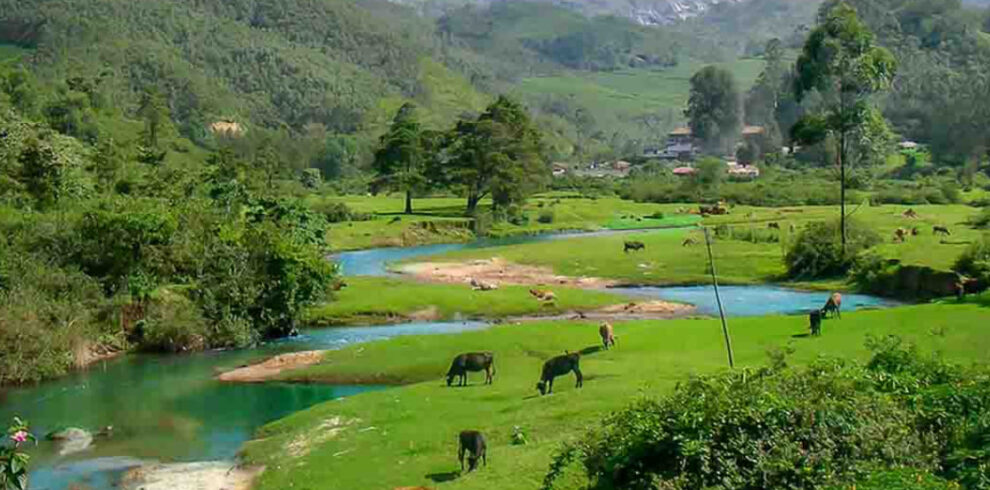
Explore Kerala's charm with a senior-friendly itinerary: Begin in Cochin (1N) with its colonial heritage, then enjoy a serene houseboat…
This Seniors' Special tour covers Delhi, Shimla (1N), Manali (3N), Solang Valley, and Chandigarh (1N). Enjoy scenic views, peaceful strolls,…