
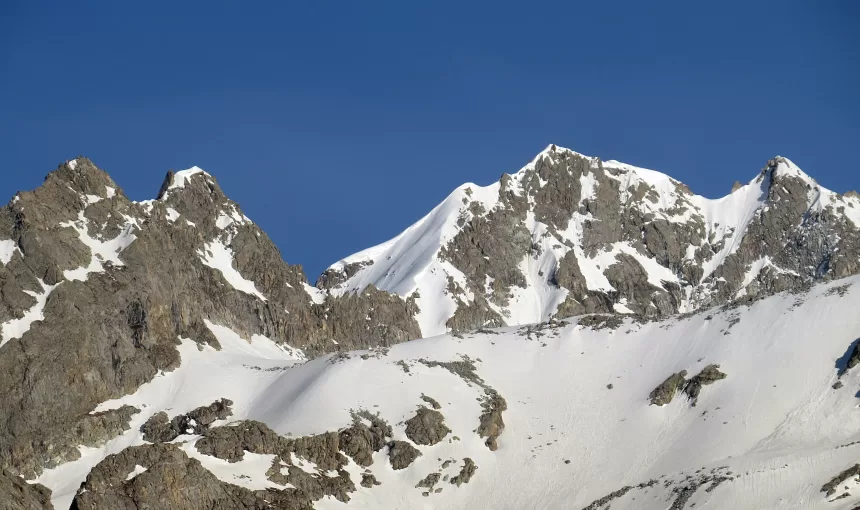
Stretching across Central and South Asia, the Hindu Kush Mountain Range stands as one of the world’s most dramatic and historically significant highland systems. Towering peaks, ancient trade routes, and breathtaking valleys have made the Hindu Kush a natural barrier, cultural bridge, and modern adventure destination.
From shaping empires to inspiring explorers, the Hindu Kush continues to play a vital role in the region’s geography and heritage.
Geographic Overview: Where the Hindu Kush Lies
The Hindu Kush range extends roughly 800 kilometres, primarily across Afghanistan, northern Pakistan, and into Tajikistan. It forms the western extension of the greater Himalayan mountain system and connects with the Karakoram Range in the east.
Key Geographic Features:
• Average elevations between 4,000 to 5,000 metres
• Snow-covered peaks and glacial valleys
• Rugged terrain with deep river gorges
• Natural passes such as the famous Salang Pass
Some of the highest peaks include Tirich Mir (7,708 m) in Pakistan — the tallest mountain in the Hindu Kush — along with Noshaq and Istor-o-Nal.
The mountains act as a climatic divide, separating the arid landscapes of Central Asia from the monsoon-influenced regions of South Asia.
Historical Importance: Gateway of Civilisations
The Hindu Kush has witnessed the movement of armies, traders, and ideas for over two thousand years.
Ancient Times
These mountains were crossed by:
• Persian armies
• Alexander the Great during his invasion of India (327 BCE)
• Early Buddhist monks spreading teachings along trade routes
The passes of the Hindu Kush connected Central Asia with the Indian subcontinent, making it a strategic corridor for commerce and cultural exchange.
Medieval & Modern Period
The region later saw:
• Islamic empires expanding southwards
• Silk Road trade links passing nearby
• British-era military campaigns
Throughout history, whoever controlled these mountain passes controlled regional movement and trade.
Cultural Richness of the Hindu Kush Region
The valleys around the Hindu Kush are home to diverse ethnic communities including:
• Pashtuns
• Wakhi people
• Kalash communities
• Tajiks and Nuristanis
Each group maintains unique traditions, music, clothing, and languages. Isolated geography helped preserve ancient customs, making the region culturally fascinating.
Festivals, pastoral lifestyles, and mountain agriculture still shape daily life here.
Natural Beauty & Biodiversity
The Hindu Kush is not just rugged rock and snow — it supports a surprisingly rich ecosystem.
Wildlife Includes:
• Snow leopards
• Marco Polo sheep
• Ibex and mountain goats
• Golden eagles and Himalayan griffons
Landscapes Feature:
• Alpine meadows
• Glacier-fed rivers
• Dense pine forests in lower valleys
• Dramatic cliffs and turquoise lakes
This ecological diversity makes the region valuable for conservation and eco-tourism.
Travel Scope: Adventure Meets Culture
Though less commercialised than the Himalayas, the Hindu Kush offers enormous travel potential for explorers seeking raw beauty and authenticity.
🥾 Trekking & Mountaineering
Popular trekking areas include:
• Chitral Valley (Pakistan)
• Wakhan Corridor (Afghanistan)
• Upper Hunza nearby
Mountaineers are drawn to challenging peaks like Tirich Mir and Noshaq.
🏞 Scenic Valleys & Villages
Must-visit areas:
• Chitral – gateway to Hindu Kush culture
• Kalash Valleys – famous for unique festivals and traditions
• Wakhan Valley – one of Central Asia’s most remote landscapes
These destinations offer homestays, local cuisine, and breathtaking scenery.
📸 Photography & Nature Tourism
With dramatic lighting, snow peaks, ancient forts, and colourful cultures, the Hindu Kush is a dream destination for:
• Landscape photographers
• Wildlife enthusiasts
• Travel documentarians
🧭 Historical & Cultural Tourism
Travellers can explore:
• Ancient caravan routes
• Buddhist archaeological remains
• Traditional mountain villages
• Old forts and mosques
This makes the region ideal for history lovers and cultural explorers.
Challenges & Responsible Travel
While tourism potential is high, challenges remain:
• Limited infrastructure
• Political instability in some areas
• Fragile ecosystems
Responsible travel, local guides, and community-based tourism are essential to protect both culture and environment.
Best Time to Visit
The ideal travel season is May to September, when mountain passes open and weather is relatively stable. Winters are harsh and many routes become inaccessible.
The Hindu Kush Mountain Range is a land of legends, towering beauty, and deep cultural roots. Its geography shaped civilisations, its passes connected continents, and its valleys preserve ancient lifestyles.
Related Trips
Experience the charm of North Bengal with a 4N/5D offbeat homestay tour covering Chatakpur (1N), Lamahatta (1N), and Sittong (2N)….
Explore the serene beauty of Darjeeling’s offbeat gems with 1 night each at Lepchajagat, Lamahatta, and Chota Mangwa. Stay in…
Explore Kerala's charm with a senior-friendly itinerary: Begin in Cochin (1N) with its colonial heritage, then enjoy a serene houseboat…
This Seniors' Special tour covers Delhi, Shimla (1N), Manali (3N), Solang Valley, and Chandigarh (1N). Enjoy scenic views, peaceful strolls,…