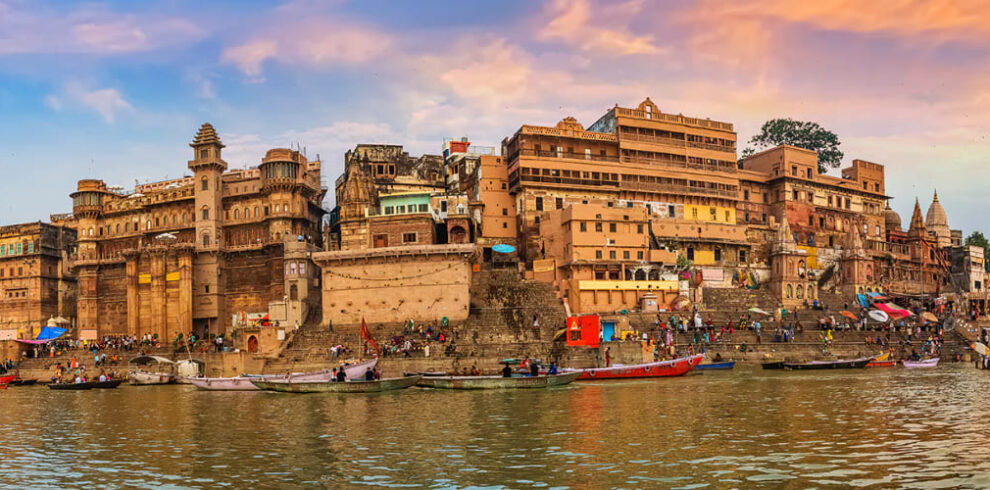
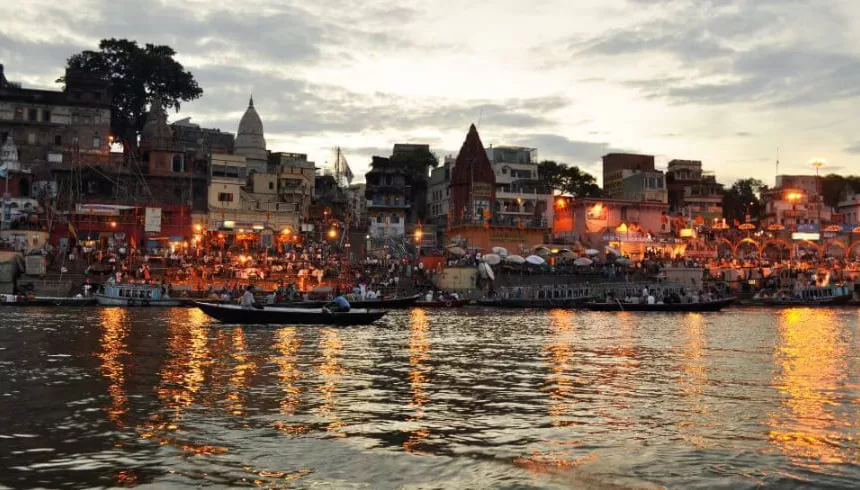
Benaras, also known as Varanasi or Kashi, is one of the oldest living cities in the world. Nestled on the banks of the River Ganga, it is revered as the spiritual capital of India. But what truly defines the soul of this sacred city are its ghats — a series of riverfront steps leading to the holy waters, each with its own story, rituals, and rhythms of life.
There are more than 80 ghats in Varanasi, and each plays a unique role in the city’s daily tapestry of life, death, worship, and celebration. From dawn to dusk, the ghats resonate with the sound of temple bells, chants, prayers, laughter, and the soft lapping of river water.
1. Dashashwamedh Ghat: The Spiritual Epicenter
Located near the famous Kashi Vishwanath Temple, Dashashwamedh Ghat is perhaps the most vibrant and visited ghat in Benaras. Legend has it that Lord Brahma performed a sacrifice of ten horses (dash-ashwa-medh) here. Today, the ghat is best known for the Ganga Aarti that takes place every evening — a grand, synchronized ritual performed by priests with lit lamps, incense, and the chanting of mantras. It draws devotees, photographers, and curious travelers alike, casting a mystical glow over the river.
2. Manikarnika Ghat: Circle of Life and Death
Unlike any other place in the world, Manikarnika Ghat is where death is not feared but revered. This is one of the two main cremation ghats in Varanasi (the other being Harishchandra Ghat). According to Hindu belief, dying in Kashi and being cremated at Manikarnika Ghat grants moksha — liberation from the cycle of rebirth. The eternal flame here is said to have been burning for centuries. Despite the somber activity, there is a profound sense of peace and acceptance that envelopes this space.
3. Assi Ghat: Where Youth Meets Devotion
Situated at the southern end of the city, Assi Ghat is popular among students, travelers, and spiritual seekers. It’s a lively blend of modern cafes, yoga sessions at sunrise, and religious ceremonies. This ghat is where the Assi River meets the Ganga and is often associated with the goddess Durga. Morning aartis and music performances here offer a gentler, more introspective experience of the river.
4. Tulsi Ghat and the Echoes of Ramayana
Named after the saint-poet Tulsidas, who penned the Ramcharitmanas, Tulsi Ghat has deep literary and cultural significance. It is known for hosting classical music concerts and the famous Ramlila performances during Dussehra. For those seeking a quieter, less commercialized ghat, this is a spot for reflection and artistic inspiration.
5. Harishchandra Ghat: The Other End of Eternity
Harishchandra Ghat is the lesser-known cremation ghat but holds similar spiritual weight as Manikarnika. Named after the legendary king Harishchandra who worked here as a cremator to uphold truth, it symbolizes the city’s unbreakable bond with dharma and sacrifice.
Beyond the Ghats: A Flowing Philosophy
The ghats of Benaras are not just steps to the river — they are thresholds to another dimension. People bathe here to wash away sins, offer prayers for ancestors, or simply sit and watch the world go by. Saints meditate, children play, boatmen sing folk tunes, and foreign tourists marvel at the kaleidoscope of culture.
Together, the ghats reflect the circle of life — from birth to death, joy to grief, devotion to detachment. To experience the ghats is to experience India in its rawest, most sacred, and eternal form.
Related Trips