
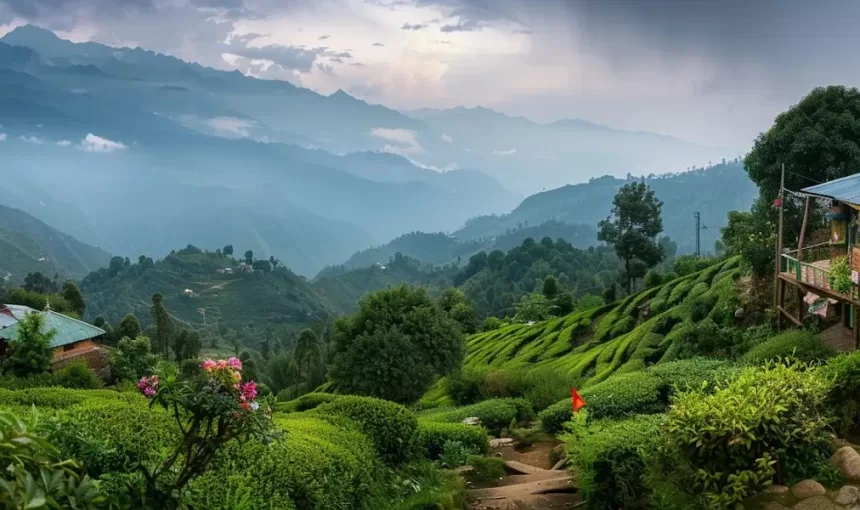
India’s tea estates have long been associated with lush green landscapes, misty hills, and some of the world’s finest tea varieties. In recent years, however, these plantations have evolved from agricultural destinations into unique holiday retreats. Tea estate stays are becoming one of the fastest-growing segments of experiential tourism, attracting travellers who seek peace, nature, and authentic local experiences away from crowded tourist hubs. From the rolling tea gardens of Assam and Darjeeling to the picturesque plantations of Munnar and the Nilgiris, tea estate vacations are redefining luxury and wellness travel in India.

The Rising Trend of Tea Estate Tourism
Modern travellers are increasingly looking beyond conventional hotel stays. Instead of visiting busy cities and commercial tourist attractions, many are opting for immersive experiences that connect them with nature and local culture.
Tea estate stays offer exactly that. Historic planter bungalows, heritage cottages, and boutique resorts located within tea gardens provide guests with a unique opportunity to experience plantation life firsthand. The growth of eco-tourism, wellness tourism, and slow travel has further boosted demand for such destinations.
States like Assam, West Bengal, Kerala, and Tamil Nadu have witnessed increasing investments in tea tourism infrastructure. Many tea estates now offer guided plantation walks, tea-tasting sessions, tea manufacturing tours, birdwatching activities, and cultural experiences that appeal to both domestic and international visitors.

Why Tourists Love Tea Estate Vacations
One of the biggest attractions of a tea estate stay is the peaceful environment. Surrounded by endless stretches of greenery, visitors can enjoy a refreshing escape from the stress and noise of urban life.
For many tourists, the experience goes beyond accommodation. Walking through tea gardens at sunrise, interacting with plantation workers, learning about tea cultivation, and tasting freshly processed tea creates a deeper appreciation for one of India’s most famous agricultural products.
International tourists, in particular, are fascinated by India’s tea heritage. Destinations such as Darjeeling and Assam are globally recognized for producing premium tea varieties, making plantation visits an important part of their travel itinerary.
Tea estate vacations are also popular among couples seeking romantic getaways, families looking for educational travel experiences, photographers, birdwatchers, and wellness enthusiasts searching for tranquil surroundings.

Advantages of Staying in a Tea Estate
-
1. Close Connection with Nature: Tea estates are usually located in scenic hill regions with clean air, rich biodiversity, and spectacular landscapes. Guests can enjoy walking trails, nature photography, and outdoor activities in a serene setting.
-
2. Unique Cultural Experiences: Many tea plantations have a rich colonial and cultural history. Visitors gain insight into local traditions, tea production processes, and the lives of plantation communities.
-
3. Wellness and Relaxation: The peaceful atmosphere of tea gardens makes them ideal destinations for relaxation. Several tea estate resorts now offer yoga sessions, spa therapies, meditation programs, and wellness retreats.
-
4. Educational Tourism: Tea estate holidays provide valuable learning experiences for children and adults alike. Visitors can understand how tea is cultivated, harvested, processed, graded, and marketed globally.
-
5. Sustainable and Eco-Friendly Travel: Many plantation stays focus on sustainable tourism practices. These properties often support local communities, promote environmental conservation, and encourage responsible travel experiences.

Popular Tea Estate Destinations in India
India offers several renowned tea tourism destinations:
- Darjeeling in West Bengal, known for its world-famous Darjeeling Tea.
- Assam, home to some of the largest tea plantations in the world.
- Munnar in Kerala, famous for its picturesque hills and expansive tea gardens.
- The Nilgiris in Tamil Nadu, offering stunning landscapes and heritage tea estates.
- Dooars in North Bengal, an emerging destination combining tea tourism with wildlife experiences.