From the rice beers of the Northeast to the coconut-based spirits of the South, India’s traditional regional drinks hold strong cultural and commercial value, reflecting heritage and craftsmanship through unique local ingredients.

Assam – Apong and Xaj
Traditional rice beer prepared by tribal communities in Assam and several Northeastern states.
- Preparation: Made by fermenting cooked rice with locally prepared herbal yeast. Recipes vary across different tribes.
- Local Demand: Highly popular during festivals, weddings, and community gatherings.
- Tourism Demand: Sought after by visitors attending cultural festivals and eco-tourism experiences.

Goa – Feni
A spirit with Geographical Indication (GI) status, synonymous with the Goan way of life.
- Preparation: Produced from cashew apples or coconut sap; the juice is fermented and then distilled.
- Local Demand: Deeply rooted in Goan culture and widely consumed by locals.
- Tourism Demand: Frequently purchased as a souvenir; distillery tours are a major attraction.

West Bengal – Haria
A popular rice-based alcoholic drink consumed primarily by tribal communities in rural and forested regions.
- Preparation: Cooked rice is mixed with herbal fermentation tablets and left to ferment for several days.
- Local Demand: Plays a significant role in local festivals and social gatherings.
- Tourism Demand: Increasing interest among travelers exploring indigenous food and beverage traditions.

Jharkhand – Handia
A traditional rice beer commonly consumed across the rural landscapes of Jharkhand.
- Preparation: Made using rice and natural fermentation starters prepared from medicinal herbs.
- Local Demand: An affordable and widely consumed beverage in rural communities.
- Tourism Demand: Encountered by tourists during village visits and tribal cultural events.

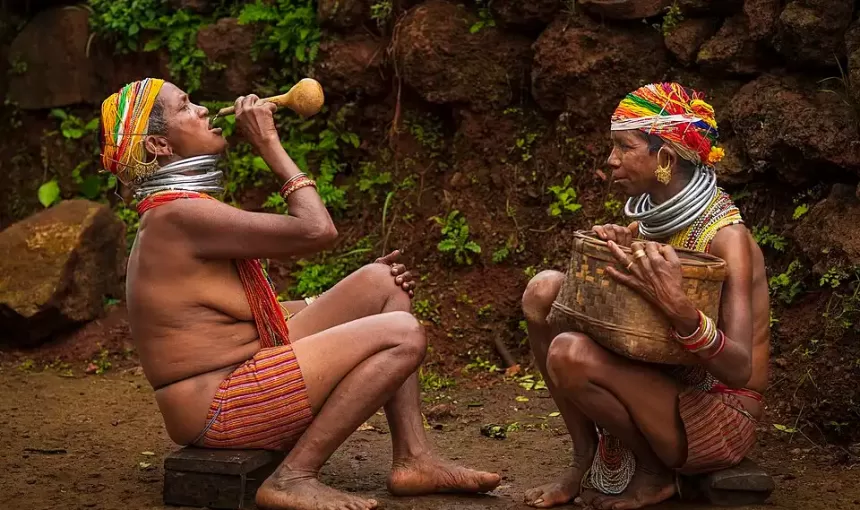
Odisha – Mahua
A strong alcoholic beverage derived from the flowers of the mahua tree.
- Preparation: Mahua flowers are dried, fermented, and distilled to produce the spirit.
- Local Demand: Extensively consumed across tribal regions of Odisha and central India.
- Tourism Demand: Showcased as part of eco-tourism and tribal cultural experiences.

Kerala – Toddy
A mildly alcoholic beverage obtained from the natural sap of coconut palms.
- Preparation: The sap naturally ferments shortly after collection from the palm tree.
- Local Demand: Toddy shops are an integral part of Kerala’s culinary and social culture.
- Tourism Demand: A sought-after cultural attraction, often paired with traditional Kerala cuisine.

Karnataka – Arrack and Palm Wine
Traditional distilled spirits and fermented wines rooted in the state’s agrarian history.
- Preparation: Arrack is produced via distillation of fermented sugarcane, palm sap, or grain mixtures.
- Local Demand: Remains culturally significant in specific rural regions.
- Tourism Demand: Rural tourism includes demonstrations of traditional palm tapping.

Nagaland & Arunachal Pradesh – Rice Beer
Indigenous beverages known by various names such as Zutho, Yu, and Poka.
- Preparation: Rice-based fermentation where recipes vary significantly by tribe and locality.
- Local Demand: Central to harvest celebrations, festivals, and social ceremonies.
- Tourism Demand: High interest via cultural tourism and immersive homestay experiences.

Maharashtra – Tari
A traditional fermented drink prepared from palm sap, common in coastal and rural belts.
- Preparation: Derived from the natural fermentation of sap collected from palm trees.
- Local Demand: Popular among communities where palm cultivation is a primary activity.
- Tourism Demand: Agro-tourism projects showcase the traditional sap collection techniques.