The homestay business in India isn’t just another hospitality venture — it represents a powerful shift in how people travel, how rural and urban communities earn, and how authentic cultural experiences are packaged for global and domestic visitors. With rising demand for personalized travel and government support, homestays are becoming one of the fastest-growing segments in Indian tourism.
What Is a Homestay Business?
A homestay involves welcoming travellers into a private residence — fully or with dedicated guest spaces — offering a warm, local experience that traditional hotels can seldom match. Unlike hotels, homestays immerse guests in the daily rhythms, traditions, cuisine, and culture of their hosts and surroundings. This model is particularly appealing to travellers who want authentic experiences rather than standardized services.
Homestays come in many forms: traditional village homes in the Himalayas, coastal shacks in Goa, heritage bungalows in Rajasthan, or welcoming guest rooms in urban centers. From budget stays to premium boutique offerings, the diversity within the sector is one of its greatest strengths.
Why the Homestay Sector Is Growing in India
India’s homestay business is growing rapidly — estimated at around ₹4,722 crore in revenue in 2024, and projected to expand at about 11% annual growth through 2031. Several key forces are driving this trend:
- 1. Rising Demand for Experiential Travel: Modern travellers increasingly prefer experiences that foster cultural immersion over generic stays. Homestays deliver this by offering everything from local cuisine to storytelling, regional festivals, and nature walks.
- 2. Shortage of Traditional Accommodations: India still faces a significant accommodation gap in many regions, with an estimated shortage of over 2 lakh hotel rooms. Homestays help bridge this gap in a scalable, low-cost way.
- 3. Supportive Government Policies: The Ministry of Tourism’s Incredible India Homestay/B&B scheme provides quality classification, helping hosts build credibility. Additionally, initiatives like MUDRA loans and state subsidies are making it easier to start operations.
- 4. Digital Platforms and Market Access: Online travel agencies like Airbnb, MakeMyTrip, and Booking.com have made it easy for homeowners to reach potential guests.
Benefits of Running a Homestay
Running a homestay holds several advantages beyond financial gain:
- Direct Income for Communities: Homestays keep tourism revenue in local pockets, boosting rural economies and providing alternative income streams for families.
- Women’s Empowerment: Many homestays are managed or co-managed by women, fostering entrepreneurship and independence.
- Cultural Preservation: By sharing local stories, crafts, food, and traditions with guests, hosts help preserve intangible cultural heritage.
- Sustainable Tourism: Homestays often encourage eco-friendly practices and reduce the pressure on traditional infrastructure.
Challenges and Roadblocks
Despite strong potential, the homestay business also faces notable challenges:
- 1. Complex Regulations: Many hosts struggle with registration due to overlapping policies and unclear requirements at central and state levels.
- 2. Infrastructure and Seasonal Demand: Remote areas often lack robust internet or reliable utilities. Moreover, demand typically peaks in certain seasons, leading to inconsistency in income.
- 3. Awareness and Training: Many homestay owners aren’t fully aware of government schemes or how to market themselves effectively. Training in hospitality and digital literacy is often limited.
The Future: What’s Next for Homestays in India
The future for homestays in India looks promising, and several trends point toward steady growth:
- 1. Remote Work & Long Stays: With remote working on the rise, many travellers now look for extended stays in scenic locales — a huge opportunity for homestays outside city centers.
- 2. Integration with Tourism Products: States are increasingly linking homestays with larger tourism circuits, such as spiritual trails, eco-tour routes, and wildlife safaris.
- 3. Digital & Tech Enhancements: With AI, mobile apps, and seamless booking interfaces, the barriers to entry are lower than ever.
- 4. Niche Homestays: Expect growth in niche segments, including luxury homestays, themed cultural stays, wellness retreats, and urban stays for business travellers.
The homestay business in India is no longer a niche — it’s fast becoming a cornerstone of sustainable and inclusive tourism. By marrying tradition with modern skills and technology, homestays are poised to be a defining force in India’s tourism future, offering economic empowerment and unforgettable experiences for travellers from around the world.
Related Trips

Experience the charm of North Bengal with a 4N/5D offbeat homestay tour covering Chatakpur (1N), Lamahatta (1N), and Sittong (2N)….
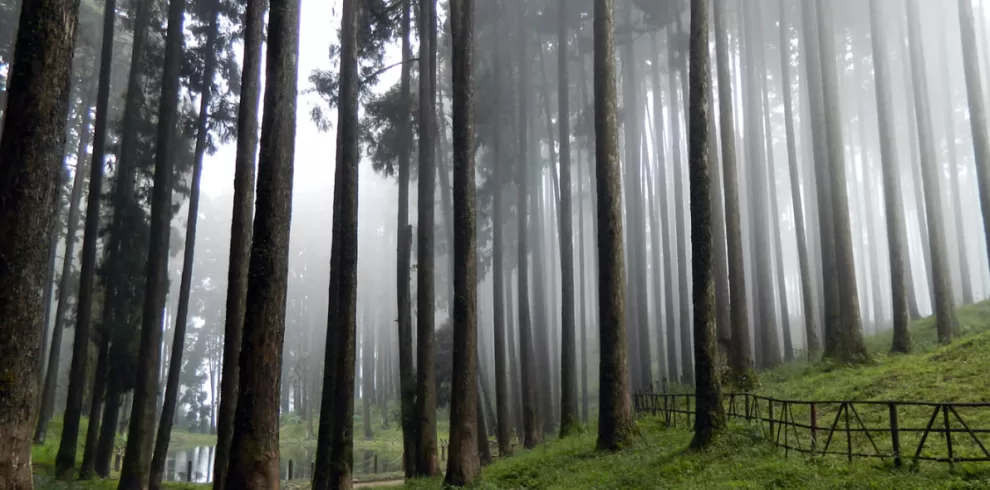
Explore the serene beauty of Darjeeling’s offbeat gems with 1 night each at Lepchajagat, Lamahatta, and Chota Mangwa. Stay in…
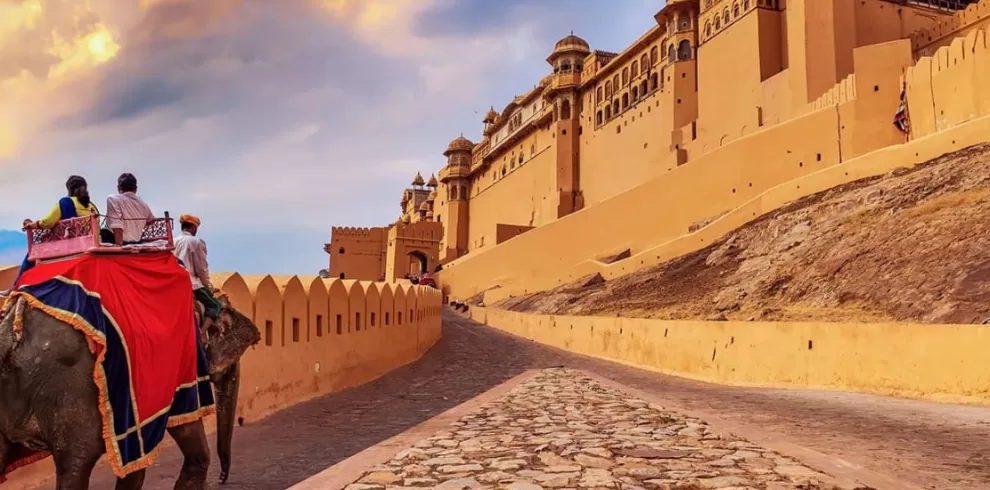
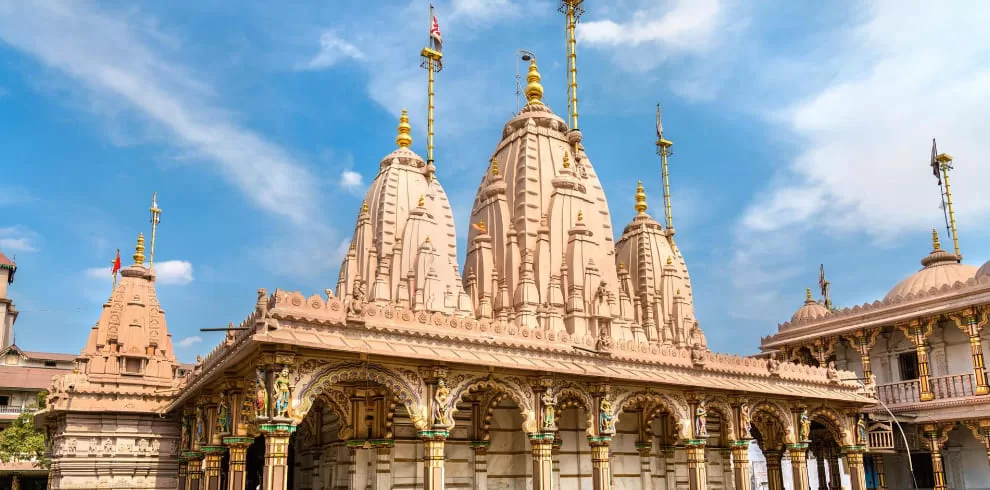
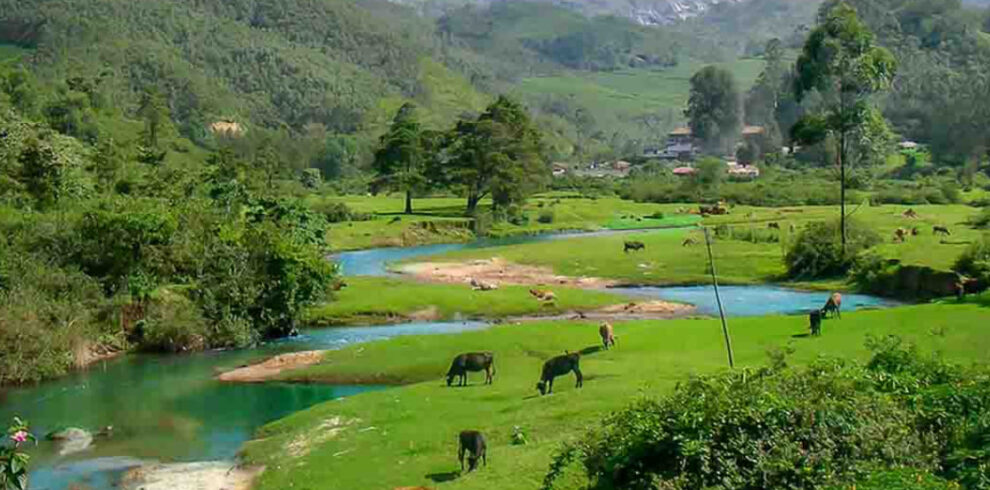
Explore Kerala's charm with a senior-friendly itinerary: Begin in Cochin (1N) with its colonial heritage, then enjoy a serene houseboat…

This Seniors' Special tour covers Delhi, Shimla (1N), Manali (3N), Solang Valley, and Chandigarh (1N). Enjoy scenic views, peaceful strolls,…