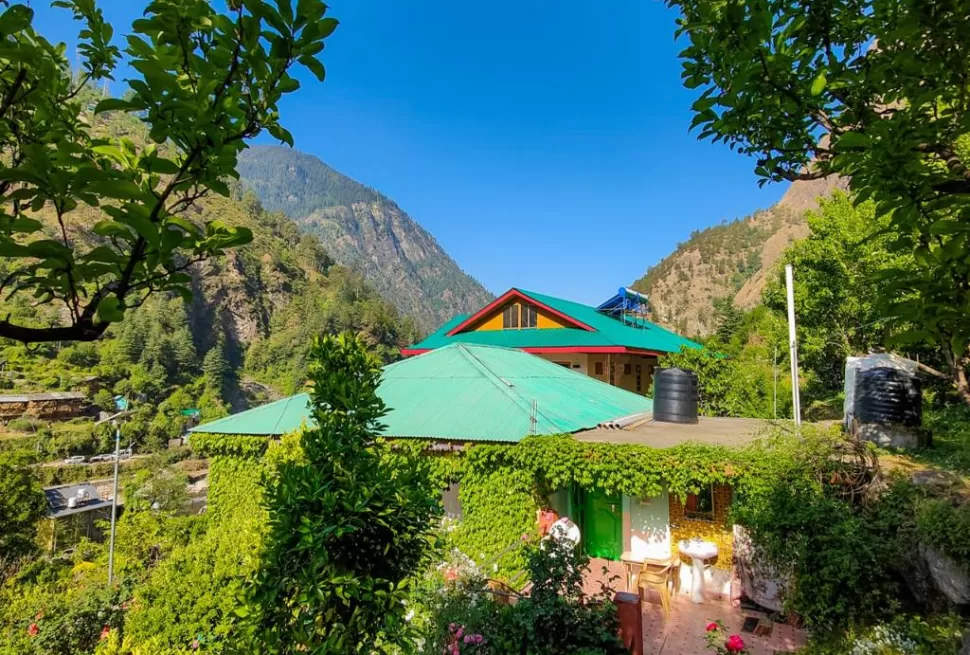
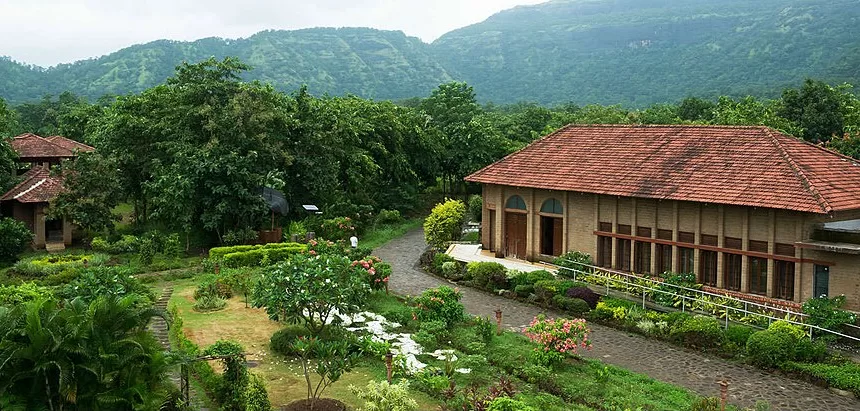
In an era where travelers increasingly seek meaningful, environment-friendly experiences, eco stays and eco village stays have emerged as powerful alternatives to conventional hotels and resorts across India. These ventures are not just hospitality businesses — they are an expression of sustainable living, cultural preservation, and community empowerment. From the remote Himalayan foothills to the deserts of Gujarat and backwaters of Kerala, eco tourism is redefining how India welcomes the world.
What Are Eco Stays and Eco Villages?
An eco stay is a tourism accommodation designed to minimize environmental impact while maximizing local benefits. It typically includes features like natural or recycled building materials, renewable energy (like solar), water conservation systems, organic food sourcing, and waste reduction practices. In many cases, these stays are immersive experiences, integrating local culture, traditional architecture, and hands-on activities like farming or crafts.
An eco village stay takes this concept further by situating travelers directly within village ecosystems where daily life, culture, and livelihood practices become part of the experience. These can include community-run guest houses, traditional mud huts, agritourism setups, and homestay networks that allow visitors to live, learn, and contribute side-by-side with residents.
Why India Is Ripe for Eco Tourism
India’s vast geography and cultural diversity make it ideal for sustainable tourism:
- Natural diversity: From the mangroves of the Sundarbans to the Western Ghats and desert landscapes of Rajasthan, India’s natural environments offer varied ecological experiences.
- Rich rural cultures: Many eco stays revolve around local traditions, handicrafts, food, and folk art, offering authentic and educational travel experiences.
- Growing traveler preferences: Globally and in India, travelers are shifting from crowded tourist spots to slow, meaningful travel.
- Government support: Various eco-tourism initiatives, including rural tourism promotion schemes, are encouraging such businesses to flourish.
Successful Models Across the Country
There are many inspiring examples of eco stays and village-based tourism thriving across India:
- Shaam-e-Sarhad Village Resort, Kutch (Gujarat): Built and managed by the local Hodka community, this resort promotes local culture and traditional architecture.
- The Goat Villages, Uttarakhand: A cluster of rural farm stays where guests live in traditional cottages and enjoy organic farm produce.
- Dune Eco Village, Tamil Nadu/Puducherry: A sustainable retreat that combines organic farming, eco-construction, and renewable energy use.
- Spiti Ecosphere, Himachal Pradesh: A community-centric network of homestays and lodges committed to conservation and local employment.
- Vanghat near Jim Corbett National Park: Solar-powered eco accommodation accessible only by foot or raft, minimizing the human footprint.
Why It’s Great Business
Eco stays are not just environmentally responsible — they make strong business sense:
- Higher community income share: Studies show that eco stays deliver significantly more local economic benefit than conventional tourism.
- Repeat and niche travelers: These stays attract experiential tourists willing to pay a premium for authenticity and wellness.
- Cost efficiency: Using solar energy, rainwater harvesting, and local materials lowers long-term operational costs.
- Government support: Incentives and recognition from tourism boards encourage such ventures and aid in marketing.
Challenges to Navigate
Despite the promise, sustainable tourism businesses must navigate:
- Infrastructure gaps in remote areas (roads, connectivity)
- Training needs for hospitality and service skills among local hosts
- Balancing visitor impact with fragile ecosystems
- Marketing effectively to international and domestic audiences
How to Build Your Own Eco Stay or Village Stay
Entrepreneurs and communities looking to start an eco tourism business should consider these steps:
- Assess the ecological and cultural assets of the area.
- Engage the community in planning, operations, and benefit sharing.
- Adopt sustainable design principles (natural materials, energy efficiency).
- Train locals in hospitality, guiding, and conservation.
- Create authentic experiences — farm activities, cultural workshops, or nature trails.
- Market through sustainable travel networks and social media platforms.
Eco stay and eco village stay businesses are more than tourism projects — they are vehicles for transformation. They redefine hospitality through sustainability, foster community wellbeing, and let travellers experience the real India in all its biodiversity and cultural richness. As global tourism trends shift toward conscious travel, India’s eco stays stand poised to become not just lucrative ventures but powerful agents of change.
Related Trips

Experience the charm of North Bengal with a 4N/5D offbeat homestay tour covering Chatakpur (1N), Lamahatta (1N), and Sittong (2N)….
Explore the serene beauty of Darjeeling’s offbeat gems with 1 night each at Lepchajagat, Lamahatta, and Chota Mangwa. Stay in…
Explore Kerala's charm with a senior-friendly itinerary: Begin in Cochin (1N) with its colonial heritage, then enjoy a serene houseboat…

This Seniors' Special tour covers Delhi, Shimla (1N), Manali (3N), Solang Valley, and Chandigarh (1N). Enjoy scenic views, peaceful strolls,…