Over the past year, a surprising travel trend has emerged — more Indian nationals visiting Afghanistan for various reasons, ranging from cultural exploration to medical needs and business opportunities. Once a destination largely avoided due to decades of conflict and instability, Afghanistan is seeing renewed connections with India. But what’s behind this shift? Let’s unpack the key factors shaping this phenomenon in 2026.
1. A Diplomatic Reset Between India and Afghanistan
One of the biggest developments underpinning increased travel is the diplomatic thaw between India and the Afghan authorities. In late 2025, New Delhi upgraded ties with Kabul and announced the reopening of its embassy in the Afghan capital, a move that signalled a willingness to re-engage after years of limited contact following the Taliban’s takeover in 2021.
This renewed engagement — including visits by Afghan ministers to India and diplomatic exchanges — has helped create a perception of improving relations, which in turn makes Indians feel more open to visiting Afghanistan for purposes beyond humanitarian missions.
2. The Search for Unique Travel Experiences
Despite security concerns, some Indian travellers — especially adventure seekers and digital nomads — are drawn by the idea of exploring a destination few have visited. Videos and travel blogs portraying Afghanistan’s landscapes and culture have gone viral on social media, encouraging adventurous spirits to discover Kabul, Bamiyan, Herat, and other cities. A number of Indian travel vloggers have documented their experiences, showing warmly received interactions with locals and unusual hospitality stories that build curiosity.
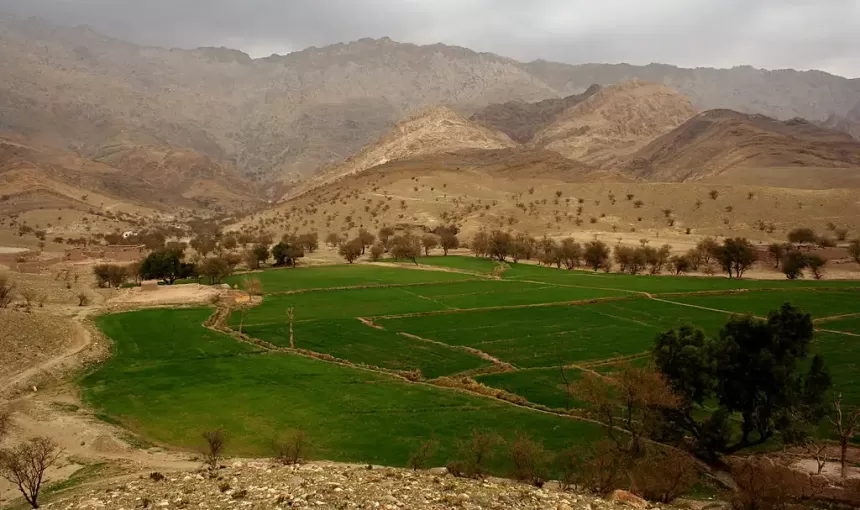
These travel tales, often mixing stunning visuals with local warmth, are helping reshape perceptions among certain segments of Indian travellers. They celebrate Afghanistan’s rugged beauty and historic Silk Road heritage, even as they acknowledge ongoing risks.
3. Cultural and Historic Ties
India and Afghanistan share deep historical and cultural bonds that stretch back centuries, reflected in literature, shared heritage, and classical connections. For many Indian travellers with a passion for history and culture, Afghanistan remains an alluring destination — especially places like Bamiyan Buddhas and old Silk Road towns — that promise experiences few other travellers can claim.
Such motivations are rooted in personal curiosity and a desire for off-beat travel, rather than conventional tourism, but they do play a role in the renewed travel interest.
4. Trade, Business and Medical Needs
Beyond pleasure travel, there are practical reasons Indians are going to Afghanistan. Both countries are broadening economic ties after several years of limited contact. Trade between India and Afghanistan — particularly in agriculture, pharmaceuticals, and consumer goods — has seen an uptick, supported by bilateral discussions on trade routes and cargo connections.
Likewise, many Afghans travel to India for medical treatment, taking advantage of Indian healthcare facilities that historically were more accessible and less expensive than those available in Afghanistan. As visa services resume and connectivity improves, the interchange of people for trade and healthcare has gradually increased, and some Indians are travelling to Afghanistan to engage in medical tourism or business trips linked to these sectors.
5. A Narrative of Hospitality
A powerful element influencing travel behaviour is the viral portrayal of Afghan hospitality toward Indian visitors. Clips shared on social media recently showed Afghan guards welcoming an Indian tourist and waving him through at a checkpoint — a moment widely shared as a symbol of goodwill between the peoples of both nations.
Such stories amplify a narrative that complements diplomatic ties, suggesting that in spite of political complexities, common people may still extend warmth to Indian travellers. This signals an unexpected soft side of travel interactions, especially for those willing to venture beyond guidebook norms.
6. Broader Geopolitical Shifts
Finally, Indians travelling to Afghanistan now should also be viewed in the context of larger geopolitical realignments in South Asia. As India engages more actively with Afghanistan — partly to balance influences from other regional players — travel and people-to-people exchanges are by-products of wider diplomatic outreach.
This doesn’t imply formal recognition of the current Afghan government, but rather a pragmatic approach that includes humanitarian support, connectivity initiatives, and limited trade engagement — all of which indirectly stimulate mobility between the two populations.
Conclusion
In 2026, Indians travelling to Afghanistan are not a monolithic group driven by one single motive. Instead, their journeys reflect a mix of diplomacy, curiosity, commerce, cultural affinity, and personal exploration. While security concerns remain salient, shifting geopolitics, storytelling through social media, and practical reasons like business and medical needs are contributing to a subtle resurgence in travel interest. For prospective Indian travellers, understanding both the opportunities and continued risks is crucial — but it’s equally clear that Afghanistan’s narrative is no longer confined to headlines of conflict alone.
Related Trips

Experience the charm of North Bengal with a 4N/5D offbeat homestay tour covering Chatakpur (1N), Lamahatta (1N), and Sittong (2N)….
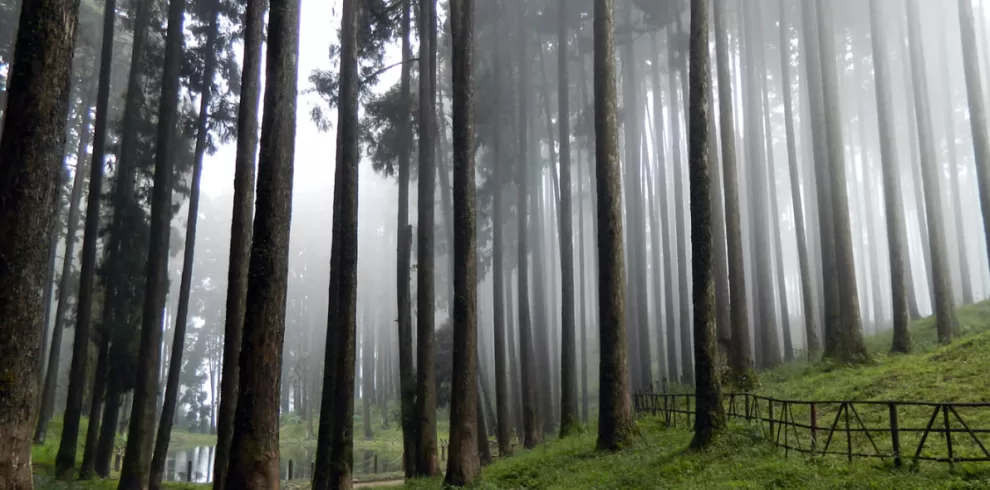
Explore the serene beauty of Darjeeling’s offbeat gems with 1 night each at Lepchajagat, Lamahatta, and Chota Mangwa. Stay in…
Explore Kerala's charm with a senior-friendly itinerary: Begin in Cochin (1N) with its colonial heritage, then enjoy a serene houseboat…

This Seniors' Special tour covers Delhi, Shimla (1N), Manali (3N), Solang Valley, and Chandigarh (1N). Enjoy scenic views, peaceful strolls,…