Dance in India is more than just movement—it is an expression of spirituality, tradition, and community. For centuries, dance has been woven into the fabric of Indian culture, reflecting the country’s diversity, beliefs, and values. From classical temple dances to energetic folk performances, dance serves as a mirror of India’s cultural richness and continues to hold great importance in modern society.
Dance as a Spiritual Expression
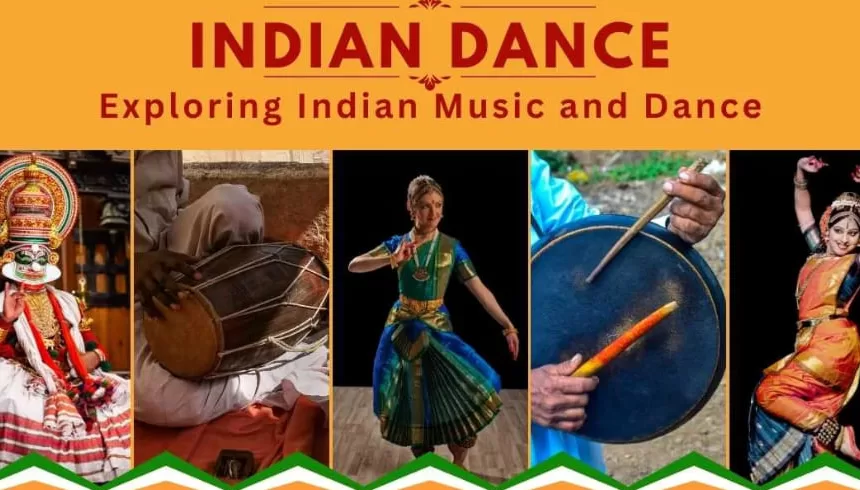
One of the most significant aspects of Indian dance lies in its deep connection with spirituality. Classical dance forms such as Bharatanatyam, Odissi, Kathak, Kuchipudi, Manipuri, Kathakali, and Mohiniyattam originated as devotional offerings to gods and goddesses in temples. Each movement, hand gesture (mudra), and facial expression (abhinaya) is symbolic, often narrating stories from sacred texts like the Ramayana, Mahabharata, and Puranas. Dance in this sense becomes a form of prayer, where the dancer connects with the divine and the audience experiences spiritual elevation.
Preservation of Tradition and Storytelling
Indian dance is also a powerful medium of storytelling. Long before books or films, dance was a way to pass down stories and moral lessons through generations. Classical dance depicts mythological tales, while folk dances narrate stories of harvests, marriages, festivals, and social customs. For example, Garba and Dandiya Raas of Gujarat, Bihu of Assam, and Ghoomar of Rajasthan not only celebrate community life but also preserve local traditions. In this way, dance acts as a living archive of India’s history and cultural heritage.
A Celebration of Diversity
India’s diversity is beautifully reflected in its dance traditions. Every region has its own unique dance style, costume, and music, showcasing the variety within unity. While Kathakali in Kerala uses elaborate costumes and masks, Bhangra in Punjab bursts with energy and vibrancy. These differences highlight how dance adapts to geography, climate, and community life, yet all share the common thread of celebration and expression.
Social and Community Bonding
Dance in India is not restricted to performers alone; it is often a collective experience. Festivals, weddings, and community gatherings are incomplete without dance. Whether it’s the rhythmic beats of the dhol during Bhangra or the circular movements of Garba during Navratri, dance creates joy and fosters unity. It brings people together across age groups, social backgrounds, and regions, strengthening bonds within communities.
Dance in Modern India
While deeply rooted in tradition, dance in India has also evolved with time. Classical and folk dances continue to thrive, but contemporary and Bollywood dance styles have gained immense popularity, blending tradition with modern influences. Dance reality shows, cultural festivals, and global performances have given Indian dance international recognition. At the same time, many schools and academies work to preserve the purity of classical styles while making them accessible to younger generations.
The importance of dance in Indian culture goes far beyond entertainment. It is a spiritual offering, a storytelling tool, a preserver of tradition, and a celebration of community. From temple rituals to wedding festivities, dance remains at the heart of India’s cultural identity. In essence, dance in India is not just an art form—it is a way of life, carrying forward the spirit of devotion, diversity, and joy that defines the nation.