When people hear about Mawsynram, they often think of relentless rain, rolling green hills, and misty landscapes. But there’s another, lesser-known dimension to this wettest place on earth—its incredible caves. Beneath the lush hills lie geological wonders that have taken shape over millions of years, sculpted by water and time into awe-inspiring formations. Chief among them is the enigmatic Mawjymbuin Cave, famous for its naturally formed stalagmite shaped like a Shivalinga, drawing both geologists and spiritual seekers. But Mawsynram’s subterranean world doesn’t stop there. Let’s journey into the depths and uncover these hidden marvels—and how to explore them safely.
Mawjymbuin Cave: Nature’s Temple
Located just a few kilometers from Mawsynram town, Mawjymbuin Cave is arguably the region’s star attraction in Meghalaya. Though modest from the outside, it houses one of Meghalaya’s most fascinating natural sculptures—a stalagmite formation that remarkably resembles a Shivalinga. Locals consider this formation sacred, and pilgrims often visit to pay homage.
As you step into the cool, damp darkness of the cave, the sounds of dripping water echo around you, amplifying the mystique. Stalactites hang like icicles from the ceiling, and the damp cave floor glistens under flashlight beams. The towering Shivalinga-shaped stalagmite, constantly bathed in a gentle trickle of water from above, exudes an aura of serenity. It’s not merely a geological marvel but also a spiritual symbol deeply entwined with local Khasi beliefs.
Fun Fact: The name “Mawjymbuin” comes from Khasi words meaning “cave of the stalagmite.”
Geological Wonders Beneath the Rain
Mawjymbuin Cave is just one glimpse into the incredible karst landscape of Mawsynram. Constant rainfall here accelerates the chemical weathering of limestone, leading to the formation of caves, sinkholes, and underground rivers.
The caves in and around Mawsynram are characterized by:
- Stalactites and Stalagmites: Mineral-rich water dripping over centuries creates jaw-dropping natural sculptures.
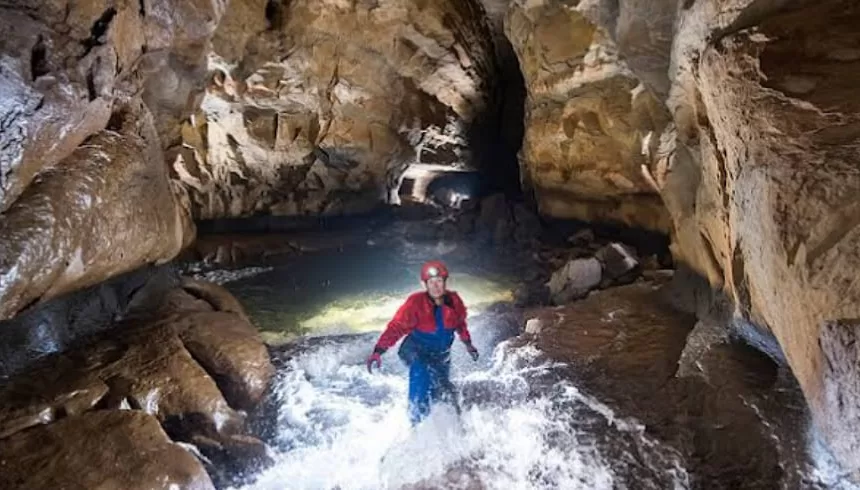
- High Humidity and Water Streams: Most caves have streams flowing through them, contributing to their ever-changing interiors.
- Limestone Chambers: Massive caverns sometimes open up unexpectedly as you explore deeper.
These caves serve as geological time capsules, preserving a record of the region’s climatic and environmental history.
Other Hidden Caves of Mawsynram
While Mawjymbuin is the most visited, several other caves in the Mawsynram region remain largely unexplored by tourists:
Krem Puri
- Located roughly 30-40 km from Mawsynram, Krem Puri is believed to be one of the longest sandstone caves in the world, stretching over 24 kilometers. While technically outside Mawsynram town, it’s close enough to be combined into your itinerary. It’s famed for its labyrinthine passages and fossils of marine creatures—a clue that this entire region was once under the sea.
Krem Dam
- A smaller but equally intriguing cave, Krem Dam is known for its narrow entrances and beautiful calcite formations. It’s less commercialized, so a visit feels truly off-the-beaten-path.
Unnamed Caves
Many small caves dot the forests around Mawsynram. Local guides sometimes lead visitors to lesser-known caves where rock formations sparkle with mineral deposits. While these spots aren’t officially mapped or developed for tourism, they offer a sense of raw adventure.
Rock Formations Shaped Like a Shivalinga
The most iconic formation inside Mawjymbuin Cave is, of course, the massive stalagmite shaped like a Shivalinga. This naturally occurring limestone structure has become a sacred symbol. The constant dripping of mineral-rich water onto the formation keeps it polished and glistening.
Such formations result from a slow geological process:
- Rainwater absorbs carbon dioxide and becomes slightly acidic.
- As it trickles through limestone, it dissolves tiny amounts of calcium carbonate.
- When the water drips into an air-filled cave, the calcium carbonate precipitates and builds up over centuries into stalactites and stalagmites.
The Shivalinga formation inside Mawjymbuin Cave is a stunning example of how natural forces can create shapes that resonate deeply with human culture and spirituality.
Adventure Tips for Cave Exploration
Exploring caves is thrilling—but it’s not without its challenges. Here are some essential tips for a safe and enjoyable caving experience in Mawsynram:
Hire a Local Guide: Many caves are complex networks where it’s easy to get lost. A local guide knows the terrain and ensures your safety.
Wear the Right Gear:
- Sturdy, non-slip shoes
- Headlamp or flashlight with extra batteries
- Waterproof clothing (especially in monsoon season)
Mind the Water Levels: Heavy rainfall can flood caves quickly. Always check local weather conditions before entering.
Respect Local Beliefs: Some caves, like Mawjymbuin, are sacred. Dress modestly and behave respectfully inside such sites.
Carry Essentials
- Water bottle
- Light snacks
- Basic first-aid kit
Don’t Go Alone: Always explore caves in a group. Mobile networks are often unavailable inside.
Mawsynram’s caves are more than just geological structures—they’re repositories of myths, natural artistry, and scientific curiosity. Whether you’re marvelling at the Shivalinga stalagmite in Mawjymbuin Cave, navigating the twisting tunnels of Krem Puri, or stumbling upon a hidden cavern known only to locals, each step underground is a journey into Earth’s hidden wonders.
So the next time you’re in Mawsynram, don’t just look at the rain pouring from the sky. Look beneath your feet—there’s a world waiting to be explored.
Related Trips