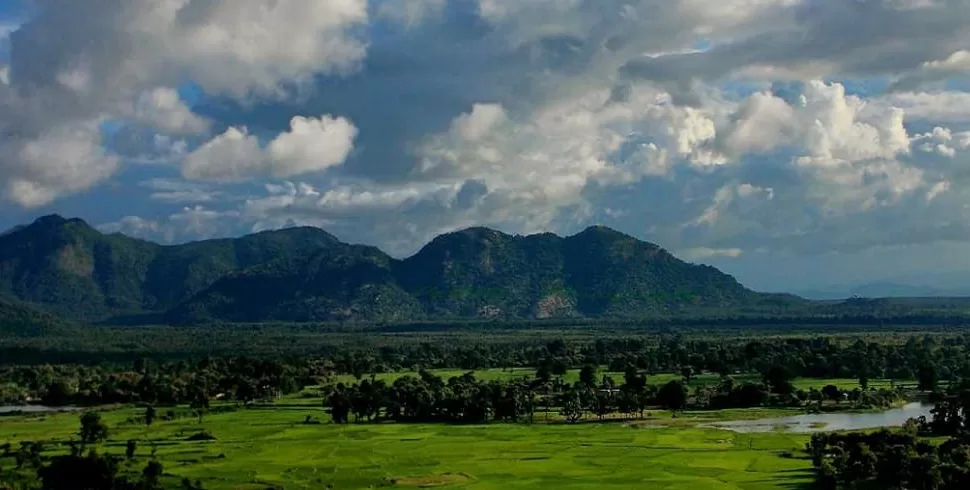
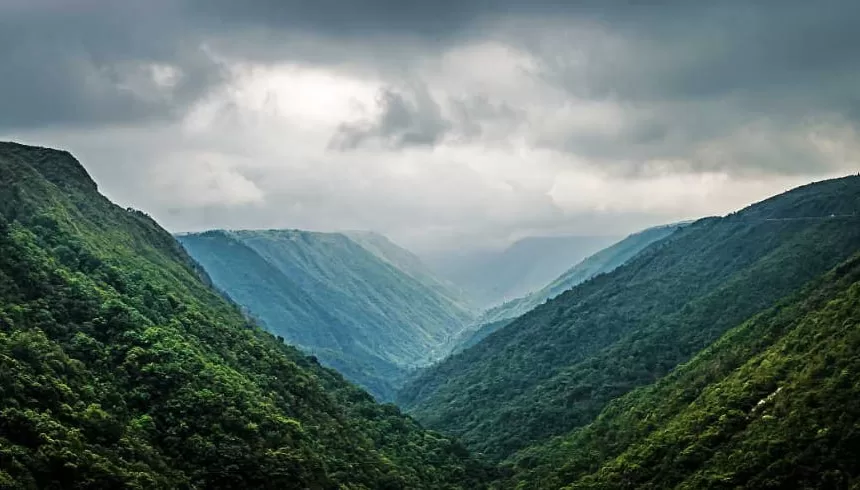
Tucked deep within the misty hills of Meghalaya, Mawsynram is famously known as the wettest place on Earth. But beyond the rhythmic downpour and lush greenery lies a captivating world underground — the mysterious stalagmite and stalactite caves that have formed over thousands of years. These natural limestone structures are a geological wonder, drawing nature enthusiasts, photographers, and curious travelers to explore their surreal beauty.
What Are Stalagmites and Stalactites?
Stalagmites and stalactites are mineral formations found in caves, created through the slow dripping of mineral-rich water. Stalactites hang from the ceilings like icicles, while stalagmites rise from the ground like inverted towers. Over centuries, these formations grow towards each other and sometimes even merge to form awe-inspiring columns.
The caves in Mawsynram are particularly rich in these features due to the area’s high rainfall and unique karst topography. The constant flow of water through limestone has carved intricate pathways and chambers adorned with these natural sculptures.
Mawjymbuin Cave – The Highlight of Mawsynram
The most notable cave in the region is Mawjymbuin Cave, located near the village of Mawsynram. This cave is not only known for its impressive stalactite and stalagmite formations but also holds religious significance. The stalagmite here resembles a Shivling, attracting Hindu pilgrims and spiritual seekers throughout the year.
Inside, the cave feels like a sacred sanctuary carved by nature itself. The steady drip of water echoes through the chambers, enhancing the mystical experience. The play of light and shadow on the wet stone creates a magical ambiance, perfect for introspection or adventure.
The Science and the Spirituality
What makes the caves of Mawsynram unique is the blend of science and spirituality. While geologists and speleologists marvel at the cave formations from a scientific perspective, local folklore and religious beliefs have long held these caves as sacred. This dual significance makes visiting the caves not just a physical journey, but a spiritual one as well.
Tips for Visitors
- Best Time to Visit: October to April, when the rainfall is less intense.
- Footwear: Wear waterproof shoes with good grip, as the caves can be slippery.
- Guides: Hire local guides to understand both the geology and cultural stories of the region.
- Respect the Space: Many locals consider the caves sacred; avoid touching formations or littering.
A trip to the stalagmite and stalactite caves of Mawsynram is more than sightseeing — it’s a journey into the heart of nature’s underground artistry. If you’re drawn to the unusual, the spiritual, or simply the stunning, these caves promise an unforgettable experience carved in stone and time.
Related Trips