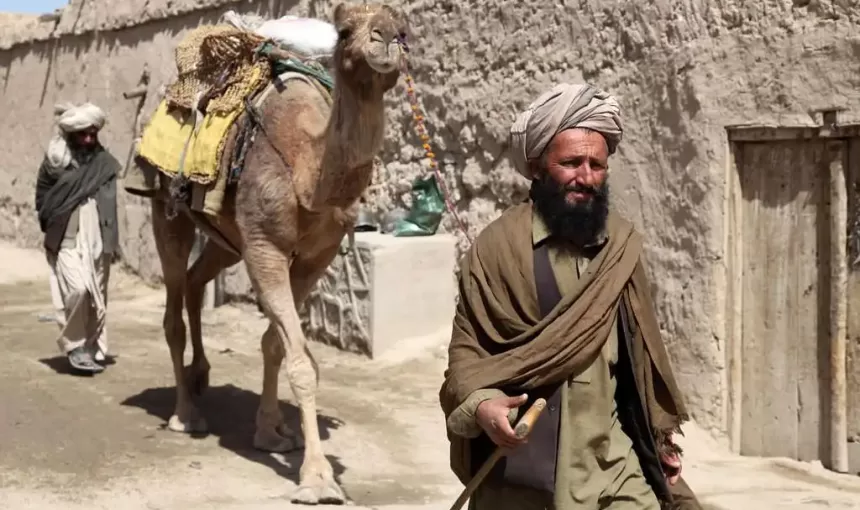
Afghanistan is a country known for its rich history, ancient culture, breathtaking mountains, and historical trade routes. While tourism and business travel to Afghanistan remain limited due to security concerns, some Indian travelers still visit the country for business, humanitarian work, journalism, diplomatic assignments, or cultural exploration.
Before planning a trip, Indian travelers must prepare carefully and stay updated about the latest travel advisories and local conditions. Here is a complete checklist for Indians planning to visit Afghanistan.
Critical Preparation Checklist

1. Check Travel Advisories & Security Updates
The first and most important step is to monitor the latest travel advisories issued by the Indian government and international authorities. Security situations in Afghanistan can change rapidly, so travelers should stay informed about restricted areas, curfews, and local conditions before departure.
It is advisable to register your travel details with the Indian Embassy or relevant authorities whenever possible.

2. Valid Passport & Visa Documentation
Indian citizens must carry a valid passport with at least six months of validity remaining. Travelers should also secure the necessary Afghanistan visa before departure, as visa-on-arrival facilities may not be available.
Keep multiple photocopies and digital backups of:
- Passport
- Visa
- Flight tickets
- Hotel confirmations
- ID proofs
- Emergency contacts

3. Comprehensive Travel Insurance
Travel insurance is extremely important for any Afghanistan trip. Ensure your insurance policy covers:
- Medical emergencies
- Emergency evacuation
- Trip cancellations
- Theft or baggage loss
- Political or conflict-related disruptions
Many insurers may have restrictions for high-risk regions, so carefully verify the coverage terms before purchasing.

4. Health & Vaccination Preparation
Consult a doctor before traveling. Carry all essential medications along with prescriptions. Common recommendations may include vaccinations for:
- Hepatitis A & B
- Typhoid
- Tetanus
- COVID-19
- Routine immunizations
It is also wise to carry a personal first-aid kit, bottled water purification tablets, and basic medical supplies.

5. Currency & Financial Planning
Afghanistan primarily uses the Afghan Afghani (AFN). International card acceptance may be limited in several regions, so carrying sufficient cash is recommended.
Keep:
- Small denomination currency
- Backup emergency funds
- Multiple payment methods when possible
Avoid displaying expensive gadgets, jewelry, or large amounts of cash publicly.

6. Communication & Connectivity
International mobile connectivity may not work seamlessly in all regions. Before departure:
- Activate international roaming
- Download offline maps
- Save emergency contacts offline
- Install secure communication apps
A local SIM card may help with better network access during the stay.

7. Respect Local Culture & Dress Code
Afghanistan has conservative cultural and religious traditions. Indian travelers should dress modestly and behave respectfully in public spaces.
Important cultural tips include:
- Avoid public arguments or political discussions
- Respect prayer times and local customs
- Ask permission before photographing people
- Follow local guidelines regarding public behavior
Women travelers should especially follow local dress norms for safety and cultural respect.
8. Transportation & Local Travel Planning
Transportation infrastructure in Afghanistan may differ significantly from Indian cities. It is recommended to:
- Use trusted local drivers or guides
- Avoid night travel
- Pre-arrange airport pickups
- Confirm safe travel routes beforehand
Travelers should avoid isolated areas and always inform someone about their movement plans.

9. Emergency Contacts & Embassy Information
Keep a list of emergency contacts readily available, including:
- Indian Embassy contact details
- Local police numbers
- Hotel contacts
- Medical emergency services
- Family contacts in India
Having both printed and digital copies can be extremely useful during emergencies.

10. Mental Preparedness & Flexible Planning
Traveling to Afghanistan requires flexibility and awareness. Flight schedules, road conditions, or local situations may change unexpectedly. Travelers should maintain flexible itineraries and remain calm during delays or disruptions.
Geographical & Transit Indicators
Essential regional benchmarks to keep in mind when planning coordination between India and Afghanistan.
The average direct aerial distance between New Delhi and Kabul, representing a flight of roughly two hours.
The approximate altitude of Kabul above sea level, placing it among the highest capital cities globally.