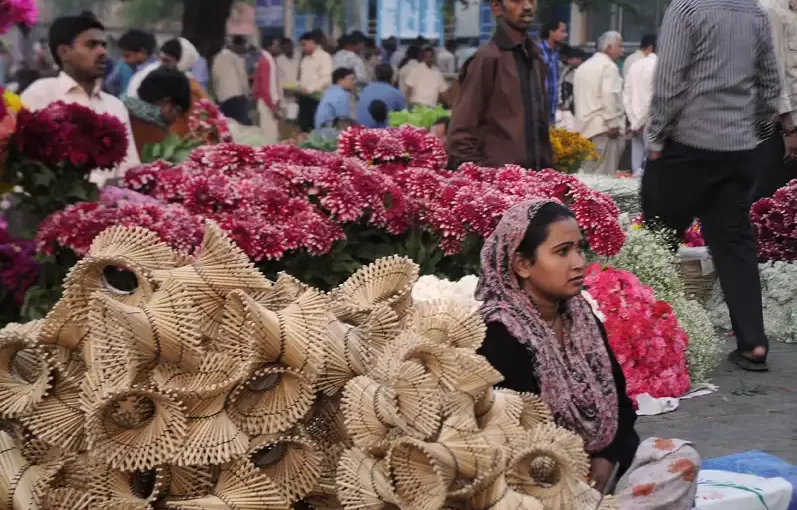
India’s flower markets are more than just trading hubs—they are vibrant cultural spaces where commerce, religion, and tourism come together. From early morning auctions to colorful lanes filled with marigolds and roses, these markets play a crucial role in supplying flowers for temples, weddings, and festivals.

1. Mullick Ghat Flower Market, West Bengal
Located under the iconic Howrah Bridge, this is one of the largest flower markets in Asia. Established in 1855, it remains the beating heart of Kolkata’s flower trade.
- Transactions & Trade: Thousands of wholesalers and retailers gather here daily from early morning. Flowers arrive in bulk from nearby farms and other states, making it a major distribution hub.
- Tourism Value: A paradise for photographers and travelers, the market offers a riot of colors and fragrances. The sight of garlands, lotus flowers, and marigolds being traded at sunrise is unforgettable.
2. Dadar Flower Market, Maharashtra
One of Mumbai’s busiest wholesale flower markets, Dadar is the city’s primary floral trading hub.
- Transactions & Trade: Flowers are traded in bulk, especially for religious use, weddings, and events. The market starts before dawn, with heavy activity during festival seasons.
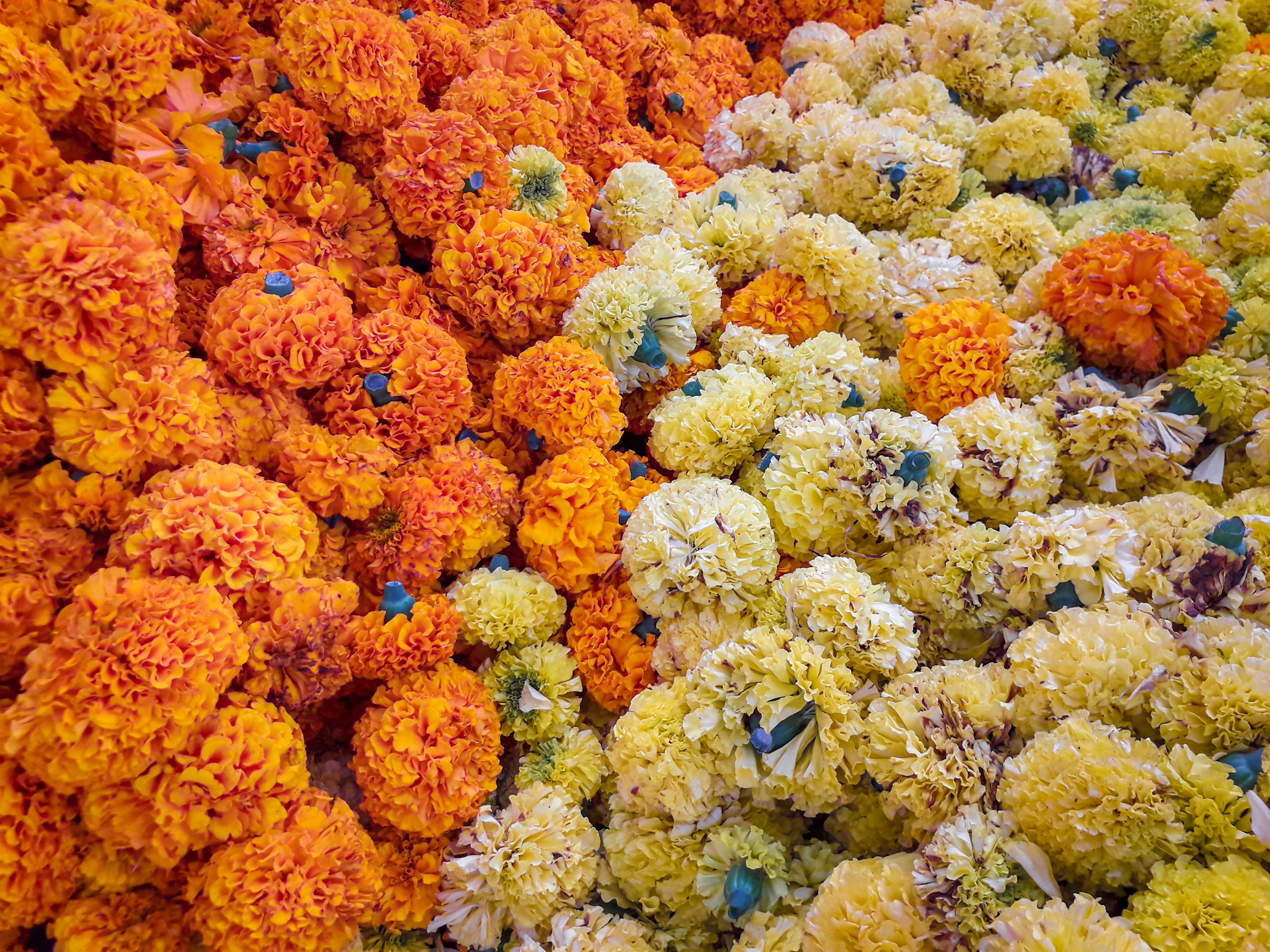
- Tourism Value: Located near major transport hubs, it offers a glimpse into Mumbai’s fast-paced local trade culture. The vibrant marigold heaps are a visual highlight.

3. KR Market (Krishnarajendra Market), Karnataka
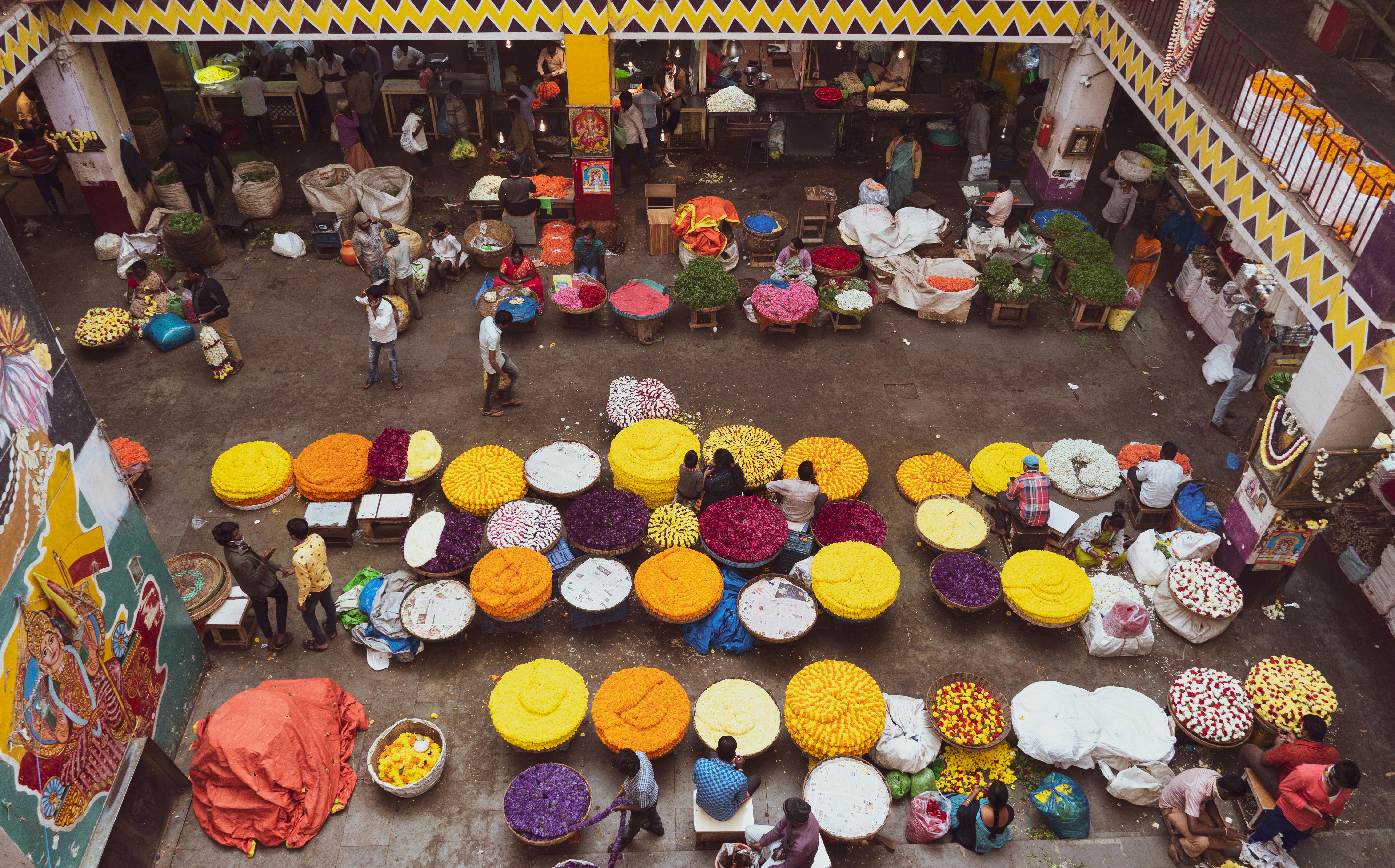
Known as one of the largest flower markets in South India, KR Market is famous for its structured yet bustling trading environment.
- Transactions & Trade: A key hub for flower distribution across Karnataka, the market deals in roses, jasmine, and exotic varieties. Early morning auctions dominate the trading system.
- Tourism Value: Its organized chaos and colorful displays make it a popular spot for street photography and cultural exploration.
4. Ghazipur Flower Market, Delhi
This is Delhi’s largest wholesale flower market, catering to North India.
- Transactions & Trade: Spread across a large area, it handles massive volumes of flowers daily, including imported varieties. It plays a vital role in supplying florists, decorators, and event planners.
- Tourism Value: Though more commercial than aesthetic, the sheer scale of operations makes it an interesting visit for those curious about supply chains.

5. Madurai Flower Market, Tamil Nadu
Madurai is synonymous with jasmine, and this market is one of the biggest suppliers in South India.
- Transactions & Trade: Specializes in jasmine (Madurai Malli), along with roses and marigolds. Flowers are traded in large quantities and exported across India.
- Tourism Value: Visitors can witness traditional flower stringing and local trading practices deeply rooted in Tamil culture.

6. Devaraja Market, Karnataka
A historic market known for its vibrant flower section.
- Transactions & Trade: Retail and wholesale transactions happen simultaneously, catering to both locals and tourists.
- Tourism Value: One of the most photogenic markets in India, famous for colorful powders, fruits, and flower stalls.

7. Phool Mandi, Telangana
Hyderabad’s main flower trading center, especially active during festivals.
- Transactions & Trade: Bulk trading of marigolds, roses, and jasmine dominates the market. It supports local florists and temple demands.
- Tourism Value: A lively space that reflects Hyderabad’s cultural and religious diversity.
Why These Markets Matter
Flower markets in India are not just about buying and selling—they are deeply connected to:
- Religious practices: Daily temple offerings depend heavily on these markets
- Festivals and weddings: Demand spikes during seasons like Diwali and wedding months
- Livelihoods: Thousands of farmers, vendors, and transporters depend on this ecosystem
For instance, markets like Mullick Ghat handle massive daily supplies and even distribute flowers to neighboring regions, showing their economic importance.