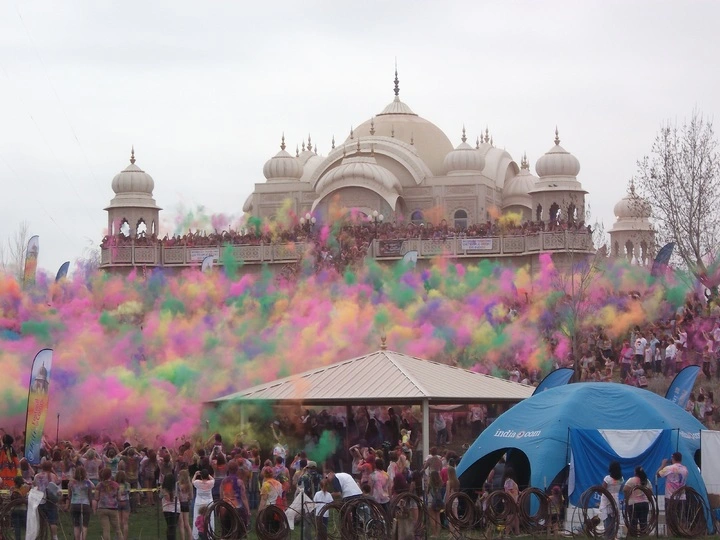
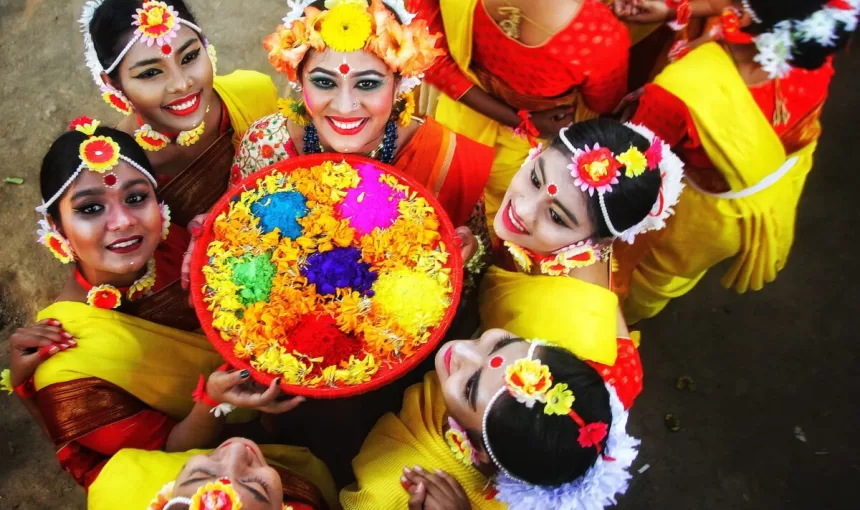
The arrival of the New Year is always a moment of joy, renewal, and cultural pride. In India, this celebration takes on many beautiful forms, reflecting the country’s diversity. In Bengal, it is known as Poila Boishakh, while across other regions, the same spirit of new beginnings is celebrated under different names, traditions, and rituals.
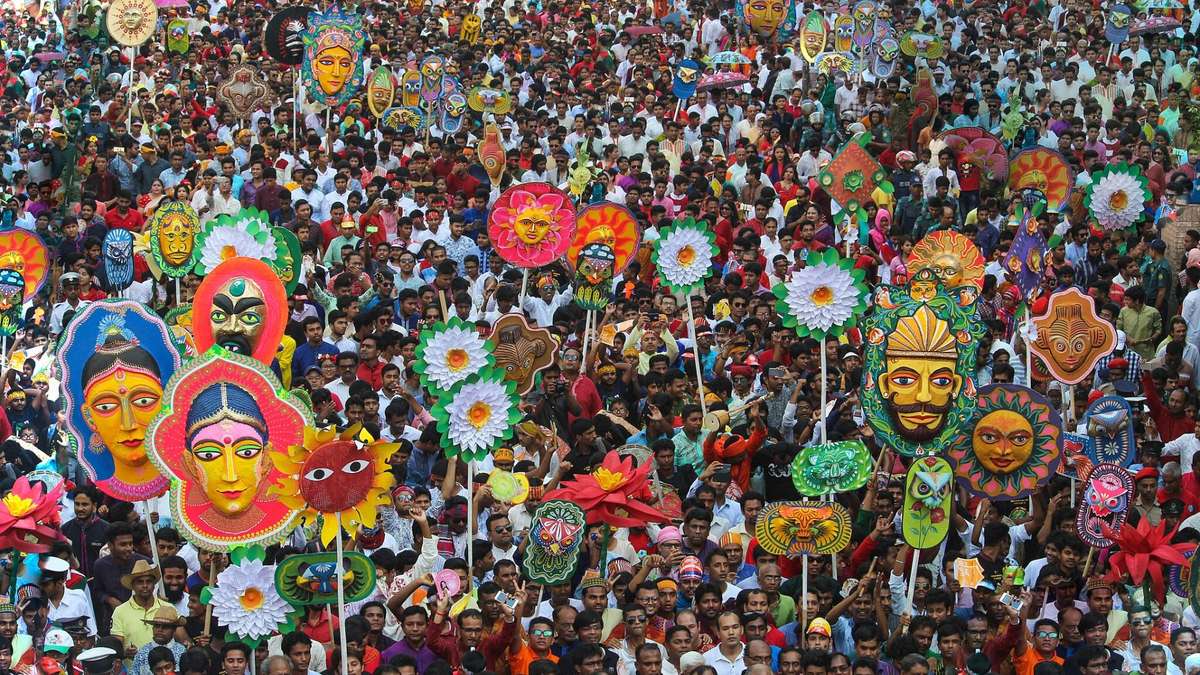
What is Poila Boishakh?
Poila Boishakh, observed on the first day of the Bengali calendar (usually April 14 or 15), marks the beginning of a new financial and cultural year in West Bengal and Bangladesh. Rooted in agrarian traditions, it was historically linked to the harvest cycle and tax collection during the Mughal era.
- Attire: People dress in traditional attire—women in red-and-white sarees and men in kurta-pajamas.
- Rituals: Homes are cleaned and decorated, and businesses begin new accounting books, a ritual known as Haal Khata.
- Greetings: Families visit temples, exchange sweets, and greet each other with “Shubho Noboborsho.”
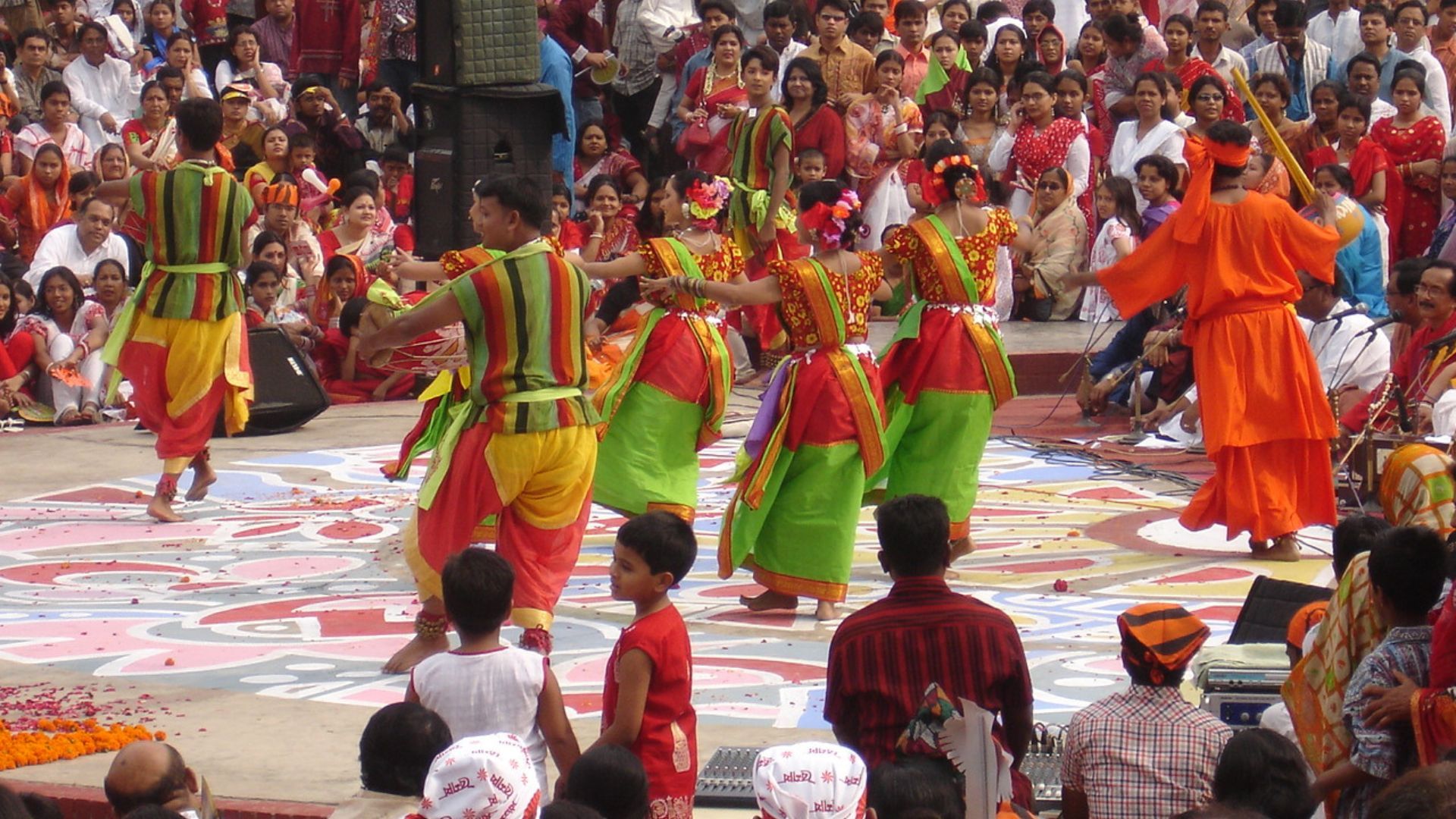
Celebrations in West Bengal
Cities like Kolkata come alive with cultural programs, fairs, and processions. Rabindra Sangeet, dance performances, and food festivals fill the air with festivity.
- Essential Cuisines: Iconic Bengali dishes like ilish machh, chholar dal, and sweets such as rosogolla and sandesh are an essential part of the celebration.
🌼 Baisakhi – Punjab
- Celebrated with great enthusiasm in Punjab, Baisakhi marks both the harvest festival and the formation of the Khalsa Panth by Guru Gobind Singh in 1699. Farmers rejoice with bhangra and giddha dances, and gurudwaras host special prayers and community feasts (langar).
🌺 Vishu – Kerala
- In Kerala, Vishu symbolizes prosperity and hope. The highlight is the Vishukkani, an arrangement of auspicious items like rice, fruits, flowers, and coins, viewed first thing in the morning. Firecrackers and traditional feasts add to the celebrations.
🌸 Puthandu – Tamil Nadu
- Puthandu marks the Tamil New Year and is celebrated with kolam (rangoli), temple visits, and festive meals. A special dish called mango pachadi, symbolizing different flavors of life, is prepared.
🌿 Bohag Bihu – Assam
- Also known as Rongali Bihu, Bohag Bihu is Assam’s biggest festival. It celebrates the Assamese New Year and the arrival of spring. Traditional dances, music, and community feasts define this vibrant festival.
🌼 Ugadi – Karnataka, Andhra Pradesh & Telangana
- Ugadi marks the New Year in the Deccan region. People decorate homes with mango leaves, prepare special dishes like Ugadi pachadi, and listen to predictions for the year ahead (Panchanga Sravanam).
🌺 Gudi Padwa – Maharashtra
- In Maharashtra, Gudi Padwa is celebrated by hoisting a decorated flag (Gudi) outside homes, symbolizing victory and prosperity. The day begins with oil baths, prayers, and festive meals.