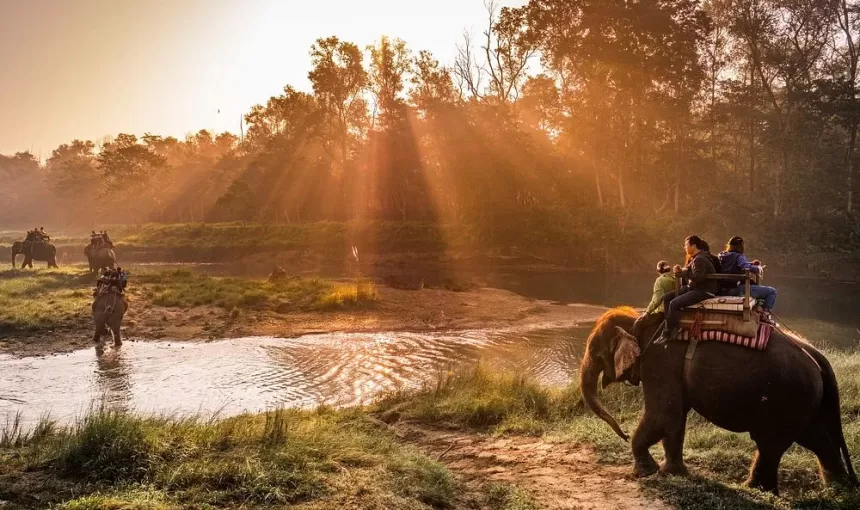
Nestled in the lush lowlands of southern Nepal, Chitwan Forest, officially known as Chitwan National Park, is one of South Asia’s most remarkable wildlife sanctuaries. A UNESCO World Heritage Site, this dense forest landscape offers a rare blend of rich biodiversity, cultural heritage, and unforgettable jungle experiences. For nature lovers, wildlife photographers, and adventure seekers, Chitwan is a destination that reveals nature in its rawest and most captivating form.
A Natural Treasure of Nepal
Established in 1973, Chitwan National Park is Nepal’s first national park and spans over 932 square kilometers of forests, grasslands, rivers, and wetlands. The park lies in the Terai region, where tropical and subtropical ecosystems flourish. Once a royal hunting ground for Nepalese kings, Chitwan has transformed into a protected area that plays a crucial role in wildlife conservation in the Indian subcontinent.
The landscape is dominated by sal forests, tall elephant grass, riverine forests, and oxbow lakes formed by the Rapti, Narayani, and Reu rivers. This diverse terrain creates ideal habitats for a wide range of flora and fauna.
Wildlife Encounters Like No Other
Chitwan Forest is globally renowned for its thriving wildlife population. The park is home to over 700 species of animals, making it one of the most biologically rich regions in Nepal. Its most iconic residents include the one-horned rhinoceros, Royal Bengal tiger, Asian elephant, sloth bear, leopard, and gaur (Indian bison).
For bird enthusiasts, Chitwan is a paradise, boasting more than 540 bird species, including the giant hornbill, Bengal florican, paradise flycatcher, and various migratory birds. The rivers are inhabited by marsh mugger crocodiles, gharials, and freshwater dolphins, adding another layer to the park’s ecological importance.
Jungle Safaris and Adventure Activities
One of the biggest attractions of Chitwan Forest is its range of immersive jungle activities. Visitors can explore the park through jeep safaris, guided jungle walks, and canoe rides along the Rapti or Narayani rivers. These experiences offer close encounters with wildlife while maintaining safety and sustainability.
Elephant breeding centers, crocodile conservation projects, and watchtowers inside the park further enhance the visitor experience. Each activity provides insight into the park’s conservation efforts and the delicate balance between humans and wildlife.
Culture and Community Around the Forest
Beyond wildlife, Chitwan Forest is deeply connected to the Tharu community, the indigenous people of the Terai region. Known for their unique traditions, dances, and mud-painted homes, the Tharu people have lived in harmony with the forest for centuries. Cultural programs, village walks, and local cuisine experiences offer visitors a deeper understanding of life around the forest and the role local communities play in conservation.
Best Time to Visit Chitwan Forest
The ideal time to visit Chitwan is between October and March, when the weather is pleasant and wildlife sightings are more frequent. The monsoon season (June to September) transforms the forest into a lush green paradise but limits safari activities due to heavy rainfall.
Why Chitwan Forest Matters
Chitwan Forest stands as a symbol of successful conservation in South Asia. Through strong protection policies and community involvement, endangered species like the one-horned rhinoceros have seen a significant population recovery. Visiting Chitwan is not just about travel—it is about experiencing a living ecosystem that continues to thrive against the odds.
Chitwan Forest is more than a national park; it is an immersive journey into Nepal’s natural and cultural soul. From thrilling wildlife safaris to tranquil river landscapes and rich indigenous heritage, Chitwan offers an experience that stays with travelers long after they leave. For anyone seeking an authentic encounter with nature, Chitwan Forest remains an unforgettable destination.
Related Trips
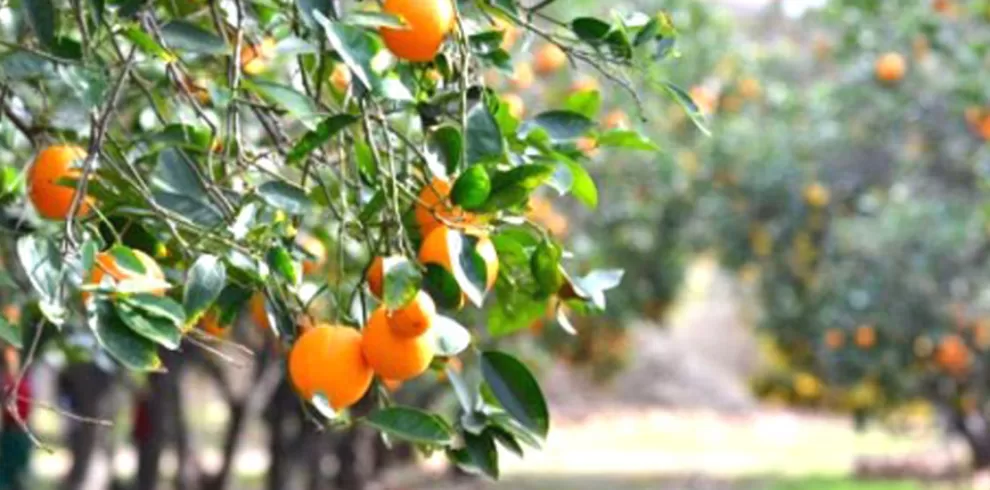
Experience the charm of North Bengal with a 4N/5D offbeat homestay tour covering Chatakpur (1N), Lamahatta (1N), and Sittong (2N)….
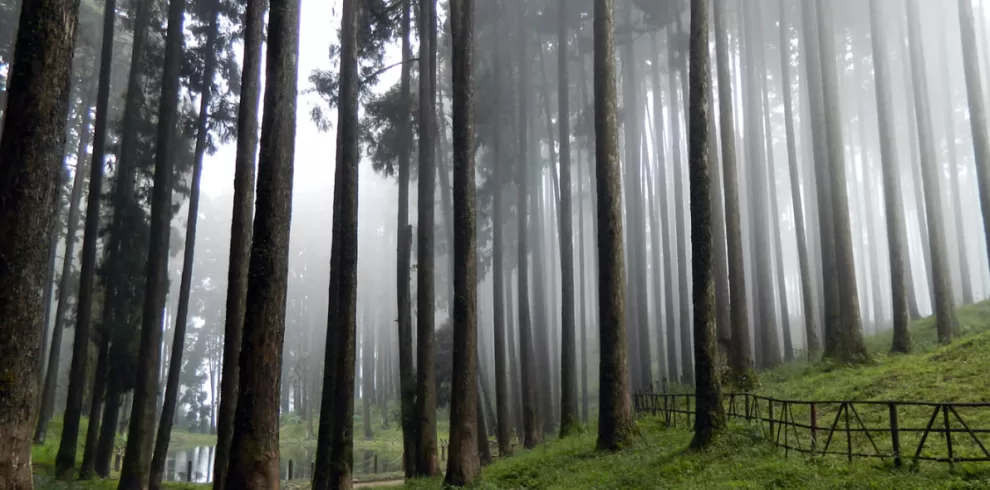
Explore the serene beauty of Darjeeling’s offbeat gems with 1 night each at Lepchajagat, Lamahatta, and Chota Mangwa. Stay in…
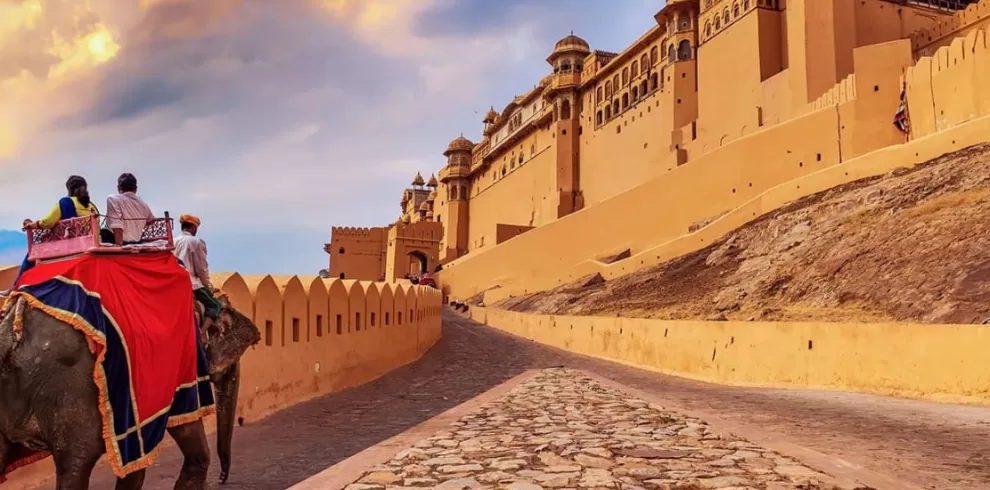
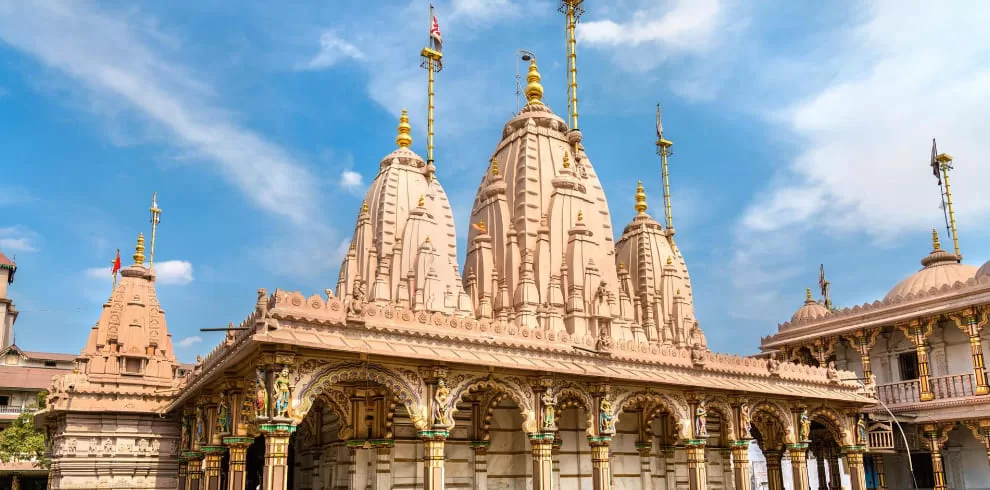
Explore Kerala's charm with a senior-friendly itinerary: Begin in Cochin (1N) with its colonial heritage, then enjoy a serene houseboat…

This Seniors' Special tour covers Delhi, Shimla (1N), Manali (3N), Solang Valley, and Chandigarh (1N). Enjoy scenic views, peaceful strolls,…