Among the 51 revered Shakti Peethas of Hinduism, Hinglaj Mata Temple occupies a unique place. Located in the rugged mountains of Balochistan, Pakistan, this ancient cave shrine is one of the few major Hindu pilgrimage sites outside India. Despite being situated in a predominantly Muslim country, the temple continues to attract thousands of devotees every year and is regarded as the largest Hindu pilgrimage destination in Pakistan. For Sindhi Hindus, devotees of Shakti, and spiritual seekers, a visit to Hinglaj Mata is considered a once-in-a-lifetime pilgrimage filled with devotion, mythology, and centuries-old traditions.

The Mythological Significance
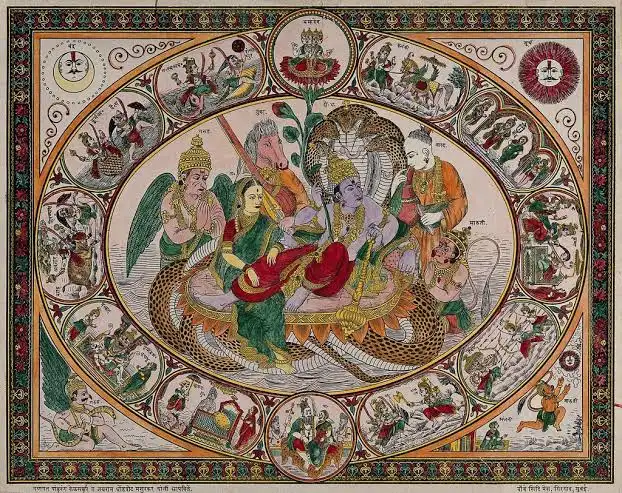
According to Hindu mythology, when Goddess Sati immolated herself during King Daksha’s yajna, Lord Shiva wandered across the universe carrying her body in grief. To restore cosmic balance, Lord Vishnu used his Sudarshan Chakra to divide Sati’s body into several parts, which fell at different places across the Indian subcontinent.
It is believed that the Brahmarandhra (top of the head or vital essence) of Goddess Sati fell at Hinglaj, making it one of the holiest Shakti Peethas. The presiding deity is worshipped as Hinglaj Mata, an incarnation of Goddess Durga or Adi Shakti.
Unlike many temples, there is no elaborate idol inside the shrine. The deity is worshipped in a natural cave where a sacred stone symbolizes the Divine Mother, preserving the site’s ancient and mystical character.

Location of Hinglaj Mata Temple
The temple is located in Hingol National Park in the Lasbela district of Balochistan, approximately 250 km northwest of Karachi along the scenic Makran Coastal Highway. The shrine lies on the banks of the Hingol River amidst rocky mountains, deep ravines, and dramatic desert landscapes, making the journey as memorable as the destination itself.

How to Reach Hinglaj Mata
From Pakistan
Most pilgrims begin their journey from Karachi, where organized pilgrimage groups depart during the annual Hinglaj Yatra.
- Travel Route: Karachi → Makran Coastal Highway → Hingol National Park → Chandragup Mud Volcano → Hinglaj Mata Temple
- Duration: The road journey takes approximately 6 to 8 hours, depending on weather and road conditions.
For Indian Devotees
For Indian pilgrims, visiting Hinglaj Mata requires careful planning because the temple is located in Pakistan. Pilgrims should verify the latest visa regulations and cross-border travel requirements before planning their journey.
- Key Requirements: A valid passport, a Pakistani visa, and necessary travel permissions issued by Pakistani authorities.
- Coordination: Collaborative coordination with registered pilgrimage groups or local organizers is highly recommended.
- At present, travel can be affected by diplomatic relations between India and Pakistan.

The Sacred Hinglaj Yatra & Rituals
The Hinglaj Yatra, also known as the Hinglaj Theerth Yatra, is the most important annual event associated with the temple. Held every year during April, the pilgrimage generally lasts four days and attracts well over 100,000 devotees, with some estimates placing attendance even higher in recent years. Pilgrims travel from across Pakistan, particularly from Sindh, Balochistan, and Karachi, while devotees from other countries also participate when travel permits.
During the yatra, temporary camps, community kitchens (langars), medical facilities, and volunteer services are arranged to accommodate the large number of pilgrims. The pilgrimage involves several sacred rituals before devotees reach the temple:
- Chandragup Mud Volcano: One of the most significant stops is Baba Chandragup, a sacred mud volcano. Pilgrims climb to the crater carrying coconuts, flowers, and offerings. Here, devotees traditionally confess their sins and pray for forgiveness before proceeding to the temple. It is believed that only after receiving Baba Chandragup’s blessings should one continue towards Hinglaj Mata.
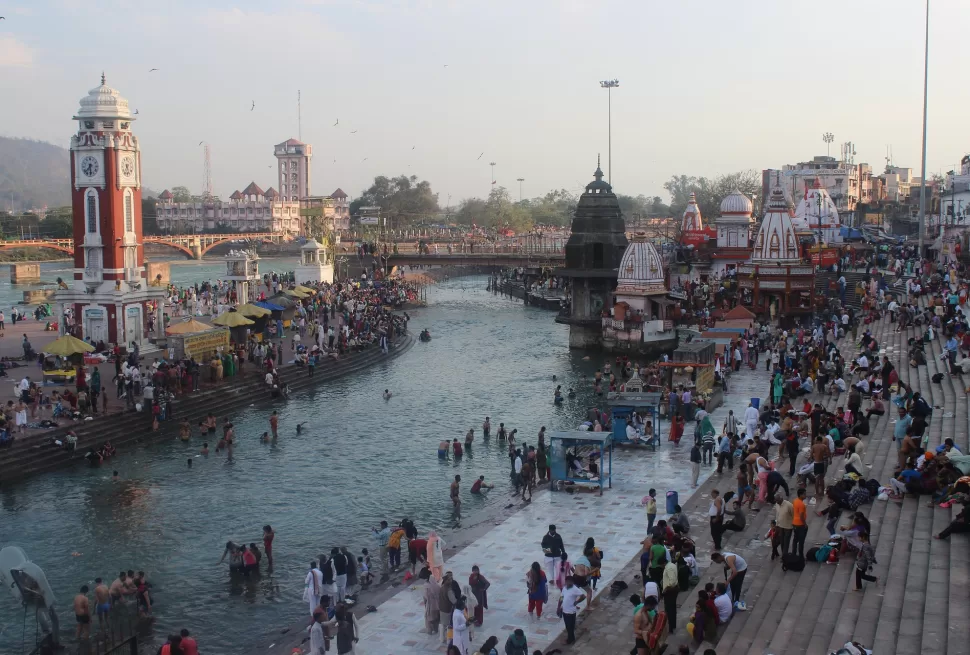
- Hingol River Bath: Pilgrims take a ritual bath in the Hingol River, symbolizing purification before entering the holy cave.
- Cave Darshan: The final stage of the pilgrimage is entering the natural cave shrine, where devotees offer coconuts, vermilion, flowers, and prayers to Hinglaj Mata.
Festivals and Auspicious Dates
The temple remains spiritually significant throughout the year, but the most important occasions include:
- Annual Hinglaj Yatra (April): The largest religious gathering at the shrine.
- Chaitra Navratri: Celebrated with special prayers and devotional activities.
- Sharad Navratri: Another important period for worshipping the Divine Mother.
Nearby Sacred Places
Several holy sites form part of the pilgrimage route, creating a spiritually rich circuit through the dramatic landscape of Hingol National Park:
- Chandragup Mud Volcano
- Khandewari Mud Volcano
- Hingol River
- Ganesh Temple
- Kali Mata Shrine
- Guru Gorakhnath’s sacred site
- Ram Jharokha
Travel Tips for Pilgrims
- Carry your passport and travel documents at all times if travelling internationally.
- Join an organized pilgrimage group for a smoother, safer experience.
- Wear comfortable walking shoes, as parts of the pilgrimage involve hiking and trekking.
- Carry sufficient drinking water, sunscreen, hats, and essential personal medicines.
- Respect local customs and photography restrictions around the shrine and mountain paths.
- The weather in Balochistan can be extremely hot during the day, so lightweight cotton clothing is recommended.