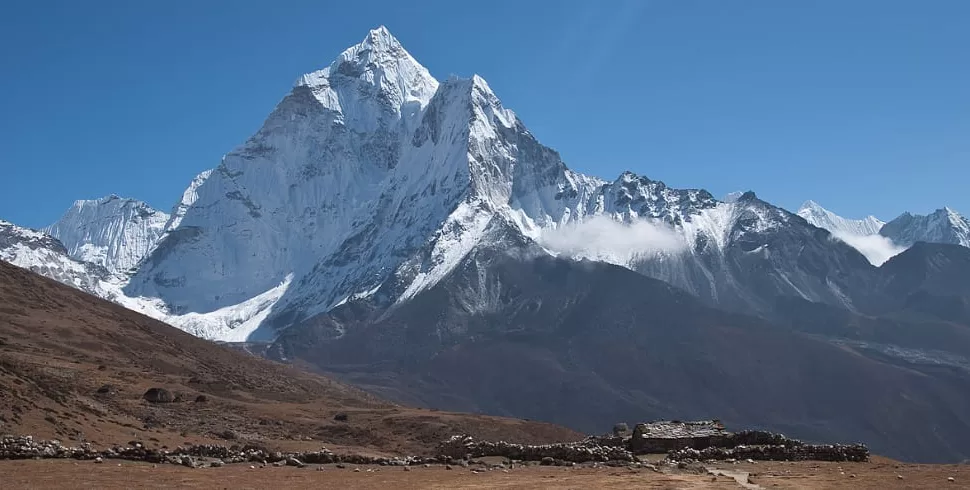
India’s tourism industry is changing rapidly, and one of the fastest-growing travel trends is tent stay tourism. From the deserts of Rajasthan to the valleys of Himachal Pradesh and the beaches of Goa, travellers are increasingly choosing luxury tents, eco camps, and glamping experiences over traditional hotel stays. Tent tourism combines adventure, comfort, sustainability, and local culture, making it popular among both domestic and international tourists.
In recent years, the Indian travel industry has seen a strong rise in experiential tourism. According to tourism industry reports, younger travellers and families are now looking for unique stays that offer closer interaction with nature. Tent stays perfectly fit this demand because they provide an outdoor experience without sacrificing comfort.
Why Tent Stay Tourism Is Growing in India

1. Demand for Nature-Based Travel
After years of fast-paced urban lifestyles, many travellers want peaceful destinations away from crowded cities. Tent stays offer direct access to forests, mountains, rivers, deserts, and beaches. Tourists can wake up to sunrise views, fresh air, and natural surroundings that hotels in cities cannot provide.
- Major Hubs: Rishikesh, Jaisalmer, Ladakh, Coorg, and Kasol
- Attractions: Scenic landscapes and adventure opportunities

2. Rise of Glamping Culture
Glamping, or glamorous camping, has transformed the image of traditional camping in India. Modern tent resorts now provide luxury beds, attached bathrooms, air conditioning, Wi-Fi, bonfire setups, and fine dining experiences.
- Appeal: Balance between luxury and outdoor living
- Target Audience: Families and corporate groups

3. Affordable Travel Option
Tent stays are often more affordable than luxury resorts while still offering memorable experiences. Budget travellers, backpackers, and student groups prefer tent accommodations because they provide adventure at a lower cost.
- Low End: Budget-friendly adventure for backpackers
- High End: Exclusive glamping for premium tourists
Popular Tent Stay Destinations in India

Rajasthan Desert Camps
Jaisalmer is one of the most famous destinations for desert tent stays. Tourists enjoy camel safaris, folk dance performances, local cuisine, and overnight camping in the Thar Desert. Luxury Swiss tents with cultural experiences are highly popular among international visitors.
Himalayan Camping
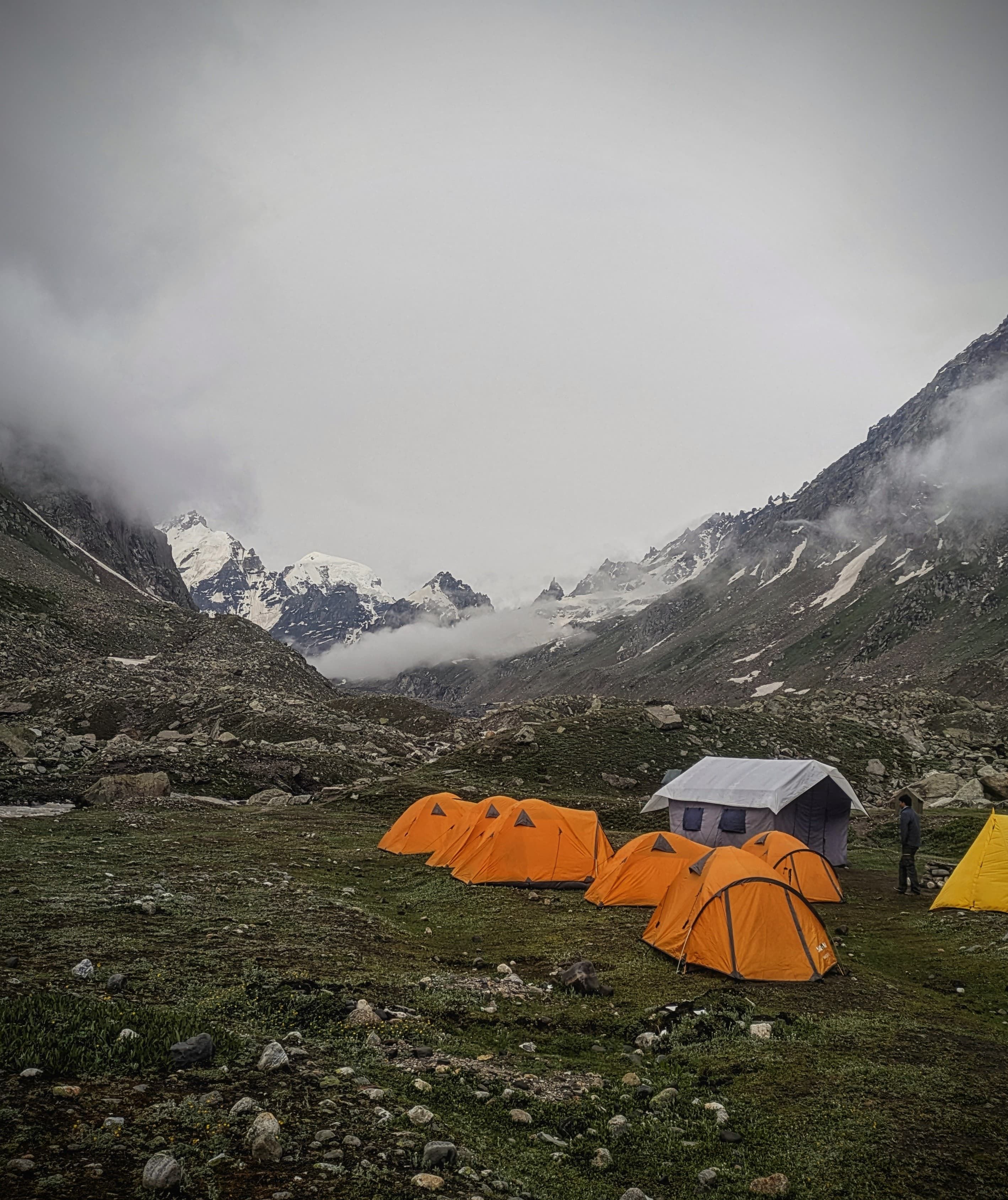
States like Himachal Pradesh, Uttarakhand, Jammu & Kashmir, and Ladakh offer mountain camping experiences. Riverside camps in Rishikesh and snow-view camps in Manali attract adventure lovers interested in trekking, rafting, and hiking.

Beach Tent Tourism
Goa, Gokarna, and parts of Kerala have developed beach camping tourism. Beach tents offer relaxed stays near the sea, attracting younger travellers and weekend tourists.
Wildlife and Eco Camps
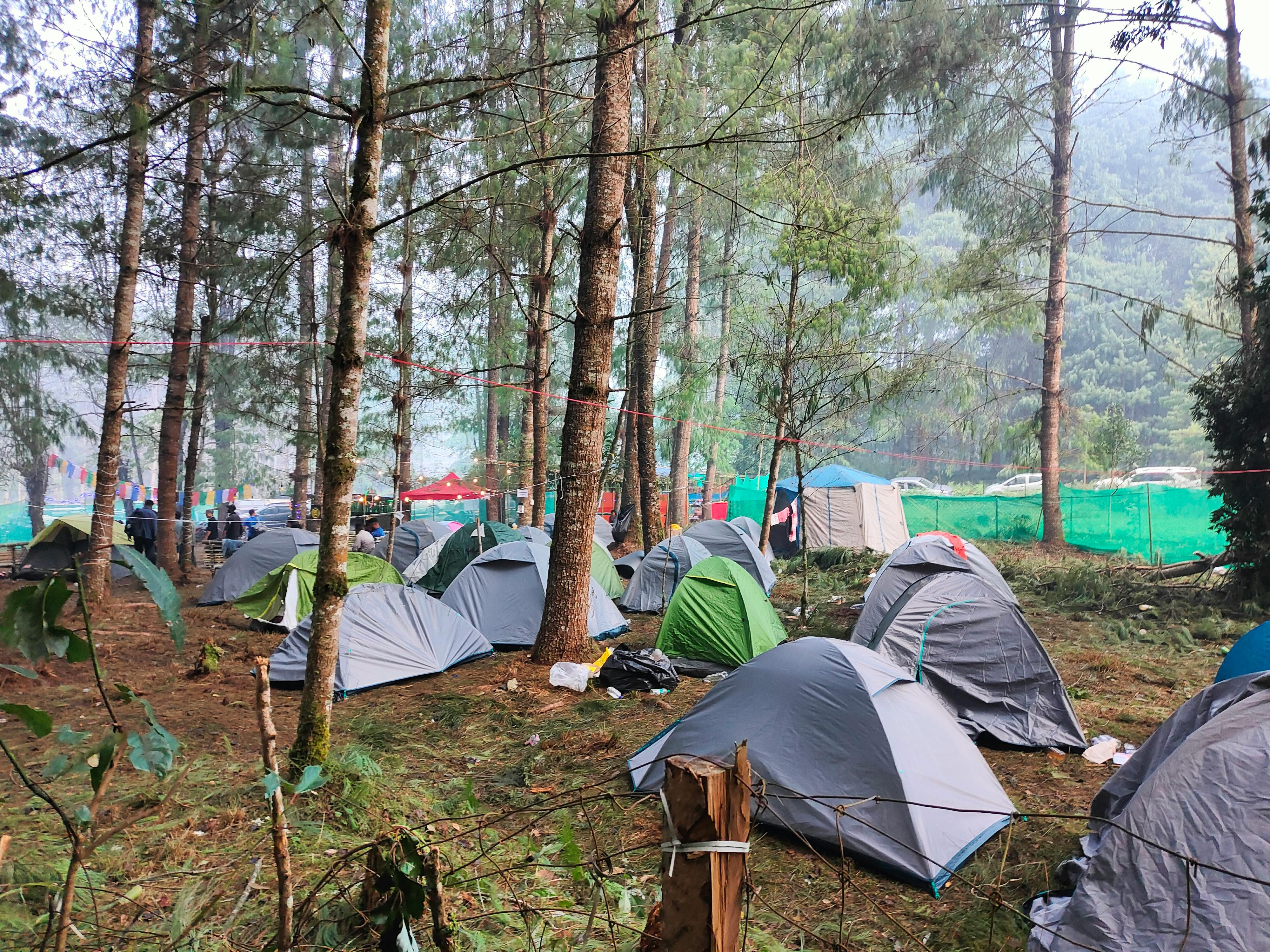
National parks such as Ranthambore, Jim Corbett, and Kanha have eco-friendly tent lodges near wildlife zones. These stays appeal to eco-tourists and wildlife photographers looking for immersive jungle experiences.
Economy and Sustainability
Economic Impact of Tent Tourism
Tent stay tourism is also contributing positively to local economies. Small businesses, local guides, artisans, transport operators, and food suppliers benefit directly from camping tourism activities.
In rural and remote areas, tent resorts generate employment opportunities for local communities. Many camps hire local staff for hospitality services, cultural performances, trekking support, and adventure activities.
Additionally, state tourism boards are encouraging eco-tourism and camping infrastructure to attract more visitors. Several Indian states now promote camping festivals, desert festivals, and adventure tourism events to increase tourism revenue.
- Local Growth: Employment for local staff and artisans
- Revenue: State-promoted festivals and adventure events
Sustainability and Eco-Tourism Benefits
One major advantage of tent tourism is its lower environmental impact compared to large-scale hotel construction. Eco-friendly tent resorts use sustainable materials, solar lighting, rainwater harvesting, and waste management systems to reduce environmental damage.
Travellers today are becoming more environmentally conscious. Many tourists prefer destinations that support sustainable tourism practices. Tent stays often promote responsible travel by encouraging visitors to respect local ecosystems and communities.
Eco camps in forest regions and mountain areas are increasingly focusing on plastic-free operations and local sourcing of food and materials.
- Eco-Practices: Solar lighting and rainwater harvesting
- Sustainability: Plastic-free operations and local sourcing
Challenges in Tent Stay Tourism
Despite its growth, tent tourism in India also faces challenges. Seasonal weather conditions can affect operations, especially during heavy rains or extreme winters. Infrastructure in remote areas may also be limited, including road access, electricity, and internet connectivity.
Safety standards and licensing regulations vary across regions, making quality consistency an important concern for tourists. Proper sanitation, security, and trained staff are essential for maintaining customer trust and improving the reputation of the industry.
Another challenge is balancing tourism growth with environmental protection. Overcrowding in sensitive ecological zones can create waste management and conservation issues if not properly regulated.
- Weather: Seasonal disruptions (rain/winter)
- Infrastructure: Limited roads, power, and connectivity
- Regulation: Variation in safety and licensing standards