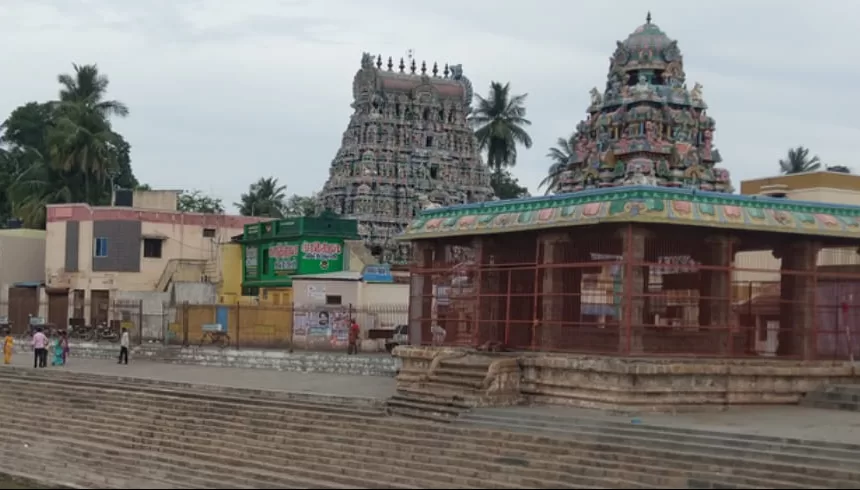
Nestled along the banks of the sacred Cauvery River, Kumbakonam is one of Tamil Nadu’s most enchanting temple towns, renowned for its rich cultural heritage, classical art, and deep-rooted spirituality. Often referred to as the “City of Temples,” Kumbakonam is home to hundreds of ancient shrines, each echoing the grandeur of South India’s Chola and Nayaka dynasties. Beyond its temples, this charming town is also celebrated for its traditional silk, aromatic filter coffee, and the world-famous Mahamaham festival.
A City Steeped in Myth and Legend
The name Kumbakonam originates from two Tamil words—Kumbha meaning pot and Konam meaning corner. According to Hindu mythology, when Lord Shiva initiated the great deluge (Pralayam), Lord Brahma’s pot containing the seeds of life was saved and rested here. Shiva then broke the pot with his arrow, leading to the creation of the town. The spot where the pot broke is today known as the Mahamaham Tank, one of the most sacred water bodies in South India.
Temples that Define Kumbakonam
Kumbakonam’s spiritual aura is defined by its magnificent temples. The town boasts over 80 temples within its limits, many of which date back over a thousand years. Some of the most revered ones include:
- Adi Kumbeswarar Temple: Dedicated to Lord Shiva, this temple is the heart of Kumbakonam. Its towering gopuram, intricate carvings, and ancient legends make it a must-visit for devotees and history enthusiasts alike.
- Sarangapani Temple: One of the 108 Divya Desams, this Vishnu temple is renowned for its architectural brilliance and its eleven-tiered gopuram that dominates Kumbakonam’s skyline.
- Ramaswamy Temple: This temple is unique because it depicts scenes from the Ramayana sculpted across its walls, offering a detailed visual narration of the epic.
- Kasi Viswanathar Temple: Famous for its association with the Mahamaham festival, this temple is believed to be spiritually connected to the Kasi Vishwanath Temple in Varanasi.
Each of these temples showcases the exquisite Dravidian architectural style — intricate sculptures, sprawling courtyards, and towering gateways that reflect centuries of devotion and artistry.
The Grand Mahamaham Festival
Every 12 years, Kumbakonam hosts the Mahamaham Festival, often compared to the Kumbh Mela of North India. Millions of devotees from across the world gather to take a holy dip in the Mahamaham Tank, which is believed to wash away sins and purify the soul. The town transforms into a vibrant hub of rituals, fairs, and cultural programs, making it one of South India’s most spiritually charged events.
Beyond Temples: The Cultural Essence of Kumbakonam
Kumbakonam isn’t just about temples—it’s a living museum of Tamil culture. The town is known for its bronze sculpture workshops, where artisans craft exquisite idols using the ancient lost wax method. It’s also famous for Kumbakonam Degree Coffee, a strong and aromatic South Indian filter coffee that has become a cultural icon.
Visitors can also explore Swamimalai, located just a few kilometers away, which is one of the six abodes of Lord Murugan. The region is dotted with verdant paddy fields, serene riverbanks, and traditional agraharams (Brahmin streets), offering a glimpse into rural Tamil Nadu’s timeless charm.
How to Reach Kumbakonam
Kumbakonam is well-connected by road and rail. The nearest airports are Tiruchirappalli (90 km) and Chennai (273 km). The best time to visit is from October to March, when the weather is pleasant and several temple festivals are celebrated.
Kumbakonam stands as a testament to Tamil Nadu’s glorious past and living traditions. Whether you’re seeking spiritual solace, architectural wonder, or a taste of authentic South Indian culture, this temple town promises an unforgettable experience. From the rhythmic chants in its ancient shrines to the aroma of freshly brewed coffee wafting through its streets, Kumbakonam is not just a destination—it’s a divine journey through time, culture, and faith.
Related Trips