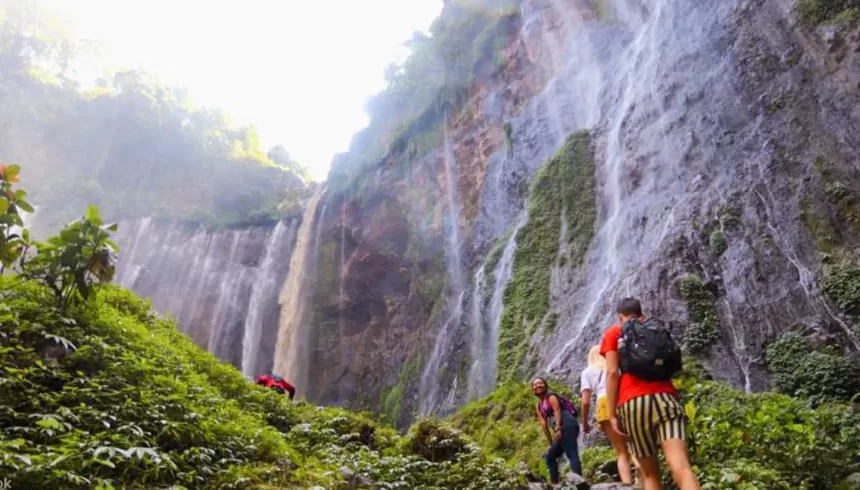
India is a country of incredible diversity, not only in terms of landscapes but also in its people and their cultures. While most travelers are familiar with India’s bustling cities, spiritual towns, and heritage sites, there is another side that remains raw, earthy, and fascinating—the tribal communities of India. For adventure seekers and culture enthusiasts, tribal trekking packages in India offer a unique opportunity to explore remote landscapes while experiencing the traditions, customs, and daily lives of indigenous tribes.
Unlike regular trekking that focuses primarily on scenic trails and mountain peaks, tribal trekking blends adventure with cultural immersion. It is about walking through unspoiled forests, staying in traditional villages, learning ancient crafts, and connecting with communities whose lifestyles remain deeply rooted in nature.
Why Choose a Tribal Trekking Experience?
Tribal treks are not just about covering distances; they are about stories, rituals, and connections. Here are a few reasons why they are gaining popularity among both domestic and international travelers:
- Cultural Immersion: You get to witness tribal dances, local festivals, and indigenous art forms firsthand.
- Off-the-Beaten-Path Adventure: These treks take you away from crowded tourist spots into unexplored terrains.
- Sustainability: Many tribal trekking packages support eco-tourism, ensuring income for local communities while preserving their heritage.
- Learning and Exchange: Travelers often participate in activities like pottery, weaving, or farming with the locals.
Popular Tribal Trekking Destinations in India
1. Chhattisgarh – The Heart of Tribal India
Chhattisgarh is often called the tribal heartland of India, with nearly one-third of its population belonging to tribal communities. Treks here take you through dense forests, waterfalls like Chitrakote and Tirathgarh, and villages of the Gond, Muria, and Baiga tribes. Travelers often get a chance to witness traditional Ghotul schools, vibrant tribal markets, and the unique Gotul dance.
2. Odisha – Tribes of the Eastern Ghats
Odisha is home to more than 60 distinct tribes, including the Kondh, Bonda, and Saura communities. Trekking trails in the Koraput and Rayagada regions take you across hills, valleys, and weekly tribal markets. The Bondas, known for their colorful jewelry and traditions, remain one of the most captivating communities to interact with during such treks.
3. Nagaland – The Naga Heritage Trails
In Northeast India, Nagaland offers an exciting mix of trekking and cultural exploration. Trekking routes around Mon, Mokokchung, and Kohima allow travelers to interact with various Naga tribes, famous for their warrior history, traditional attire, and bamboo handicrafts. The Hornbill Festival in December often complements these treks, offering a grand showcase of Naga culture.
4. Madhya Pradesh – Gond and Bhil Villages
The Satpura and Mandla regions of Madhya Pradesh are perfect for tribal treks that combine wildlife and culture. Trekking routes often pass through Satpura National Park or Kanha’s buffer zones, where you can experience tribal villages of the Gond and Bhil communities. Local homestays add authenticity to the experience.
5. Jharkhand – Hills, Forests, and Heritage
Jharkhand’s plateau and hilly terrain make it a great trekking destination. Tribal treks here allow you to explore the culture of the Santhal, Munda, and Ho communities, along with waterfalls like Hundru and Jonha. Local fairs and festivals, such as Sarhul, add vibrant flavors to the journey.
What to Expect in a Tribal Trekking Package
A typical tribal trekking package in India includes:
- Guided Treks: Experienced local guides who not only know the trails but also act as cultural interpreters.
- Village Stays: Accommodation in eco-lodges, tribal homestays, or community guesthouses.
- Cultural Activities: Folk dance performances, storytelling sessions, or workshops in handicrafts and cooking.
- Local Cuisine: Simple, organic meals made from locally sourced ingredients, often shared with the host community.
- Nature Exploration: Walks through forests, waterfalls, hills, and farmlands, often combined with birdwatching and wildlife spotting.
Tips for Travelers
- Respect Local Customs: Tribes have their own codes of conduct, so always be mindful and respectful.
- Travel Light: Keep essentials like trekking shoes, insect repellent, and water bottles handy.
- Learn Before You Go: Reading a little about the tribes you’re visiting enriches your experience.
- Photography Etiquette: Always ask before clicking photos, as some communities may be sensitive about it.
- Support Local Economies: Buy handicrafts directly from artisans to ensure your spending benefits the community.
Why Sparkle in Tribal Treks?
The real charm of tribal trekking lies in the authentic human connection. It’s not just about seeing places—it’s about hearing songs that have been sung for centuries, eating food cooked over traditional hearths, and learning how people live in harmony with nature. For travelers seeking experiences beyond the ordinary, these treks provide a perfect blend of adventure, knowledge, and empathy.
Tribal trekking packages in India open a gateway to a lesser-known side of the country—its indigenous communities and their vibrant cultures. Whether it’s walking through the lush green forests of Chhattisgarh, exploring the highlands of Odisha, or connecting with the warrior tribes of Nagaland, every journey leaves you with stories that stay for a lifetime.
If you are looking for a travel experience that combines adventure, cultural discovery, and responsible tourism, a tribal trekking package in India is the perfect choice. Step into the world of India’s tribes, and you’ll return not just with memories, but with a deeper appreciation for the country’s cultural richness and natural beauty.
Related Trips